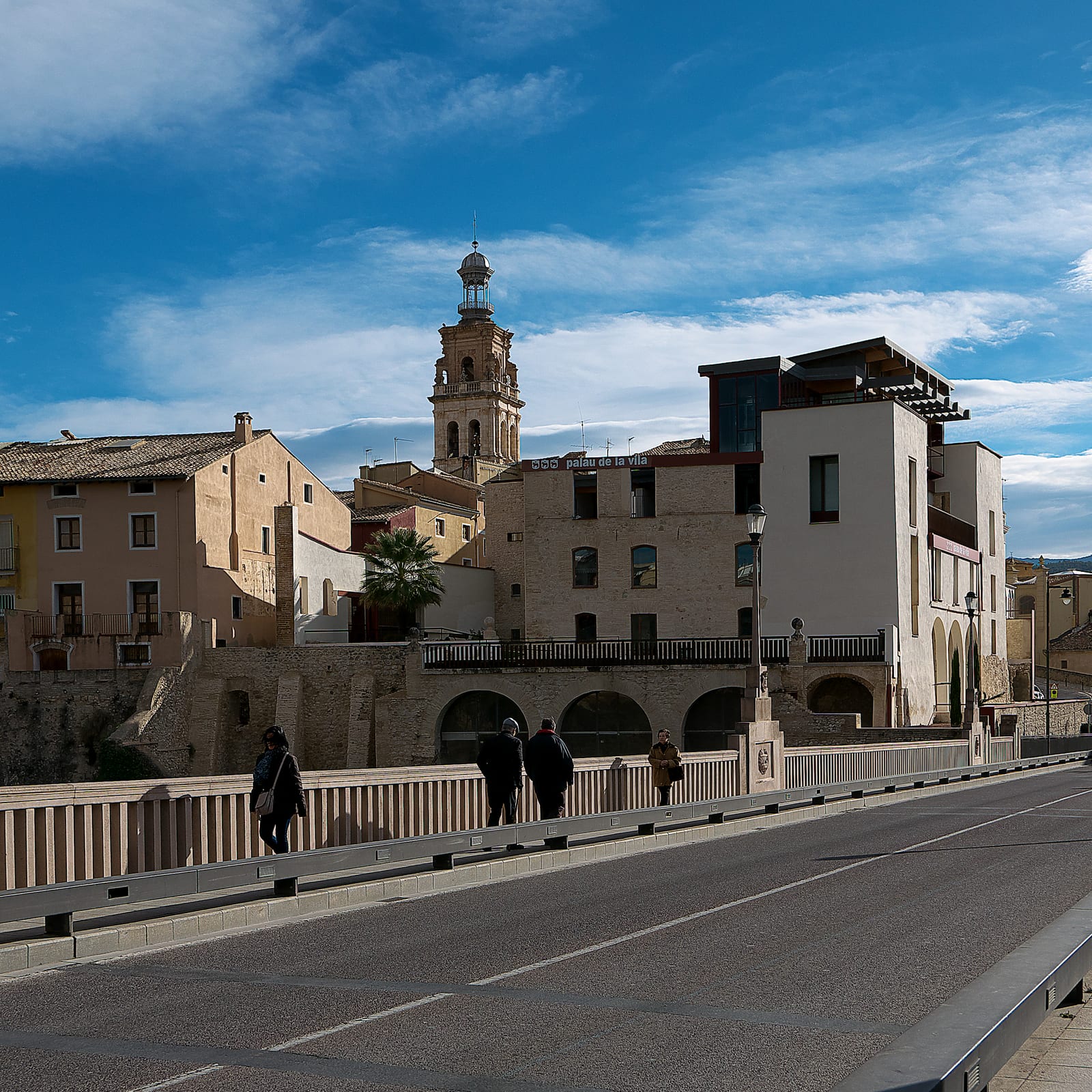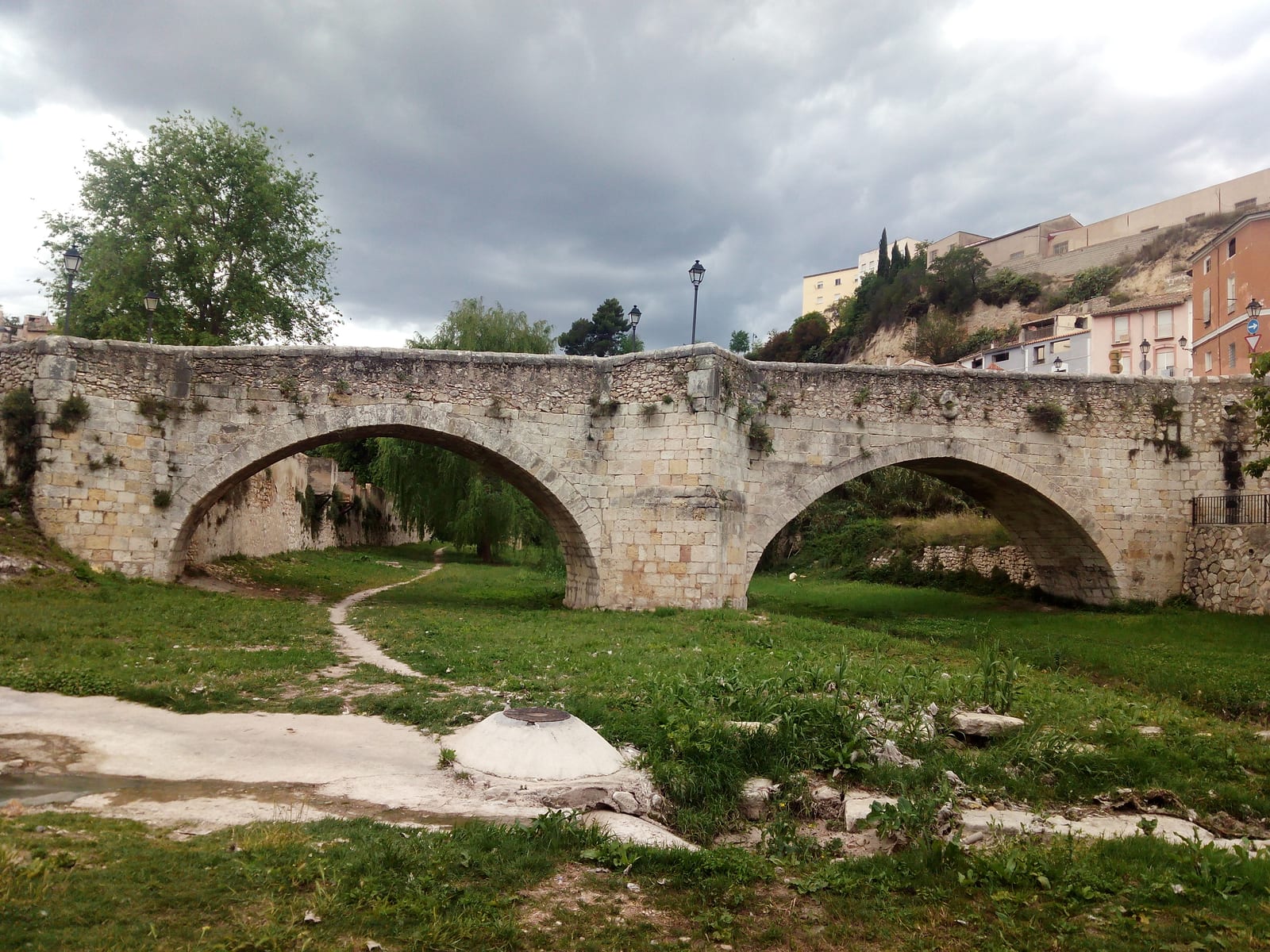
The Pont Vell is one of Ontinyent's most iconic landmarks. Work began in 1500 and finished in 1501, by master builders and stonemasons Pere Ribera, from Xàtiva, and Joan Montanyés. It is listed as a Site of Local Significance (Bé de Rellevància Local).
What it's like
It has two slightly flattened ashlar arches springing from the riverbed; between them, a central pier of ashlar blocks shaped like a keel to cut the current. Above the buttresses, the roadway widens into small recesses with long stone benches, and it slopes gently down from the Cantereria to the foot of the Vila. Its parapet was built from the remains of several town-wall gateways demolished in the late 18th century.
After a restoration completed in 2023, it is open to pedestrians and cyclists.
Around the bridge
The bridge reshaped the Vila's communications, and part of the town's history grew up around it:
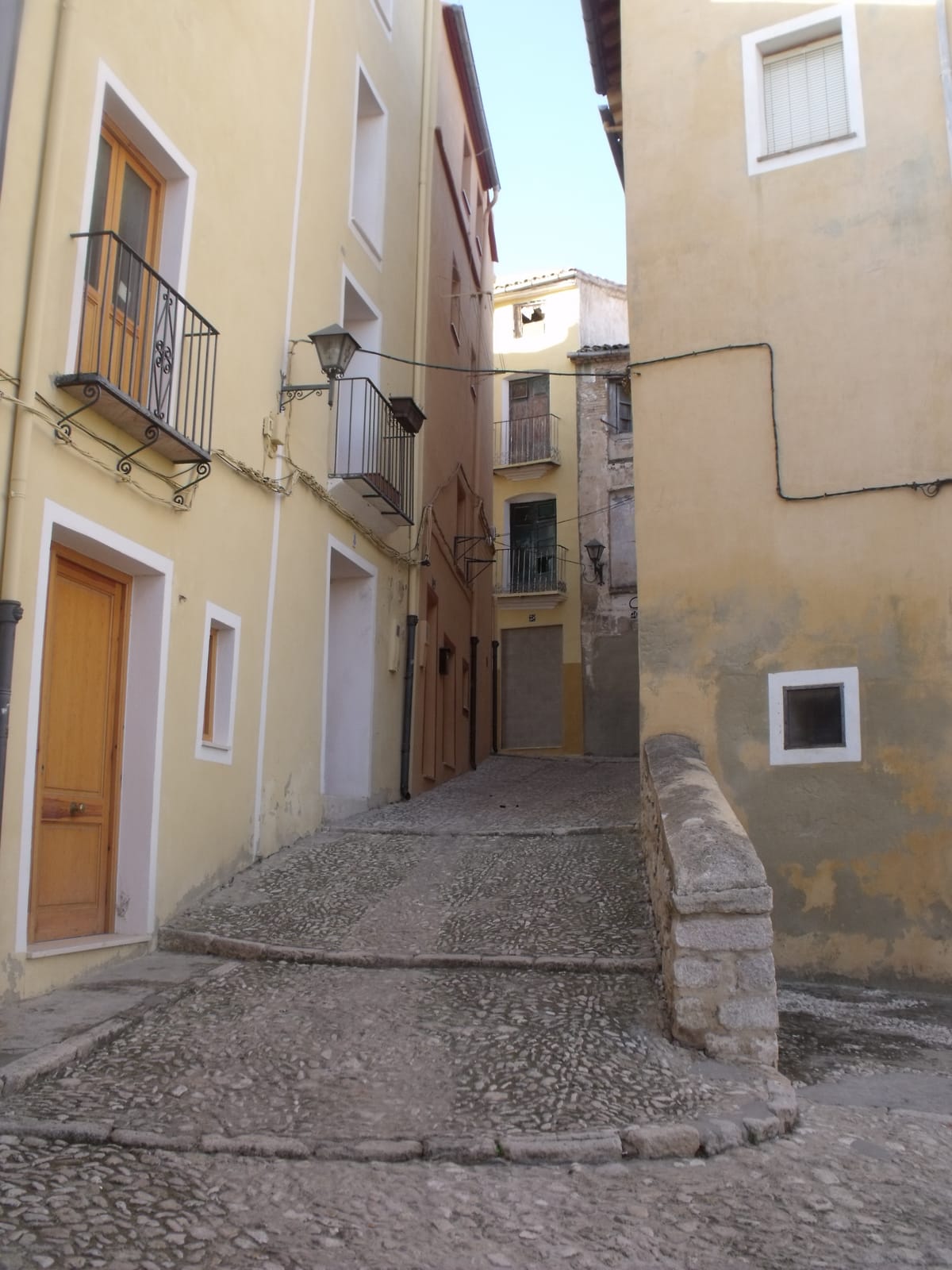
- The Camí dels Carros, whose construction was promoted by Ontinyent's agermanats (rebels of the Germanies revolt) in 1520-1521: on the way down you get one of the best views of the Vila and the Raval, with houses piled one on top of another.
- The Tirador dels Peraires (16th century), where cloth-makers hung woollen cloth out to dry.
- Carrer de la Cantereria, where in the early 17th century riverside caves lived in by the poorest families were turned into houses.
Visiting
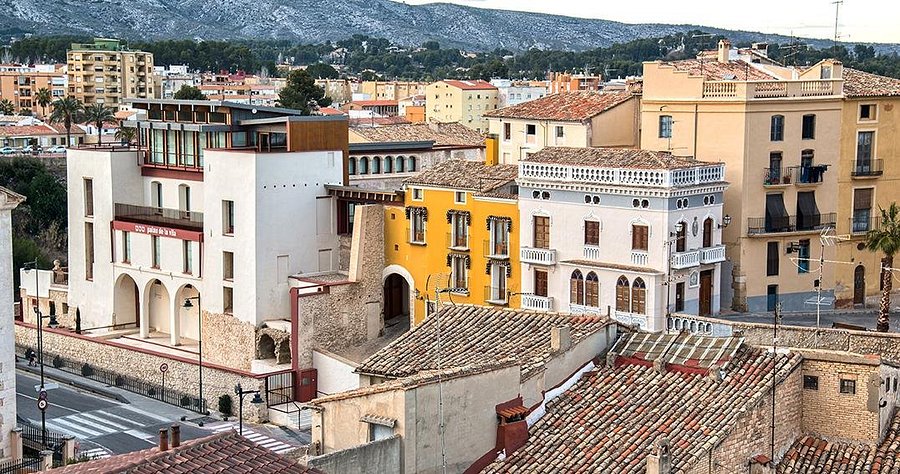
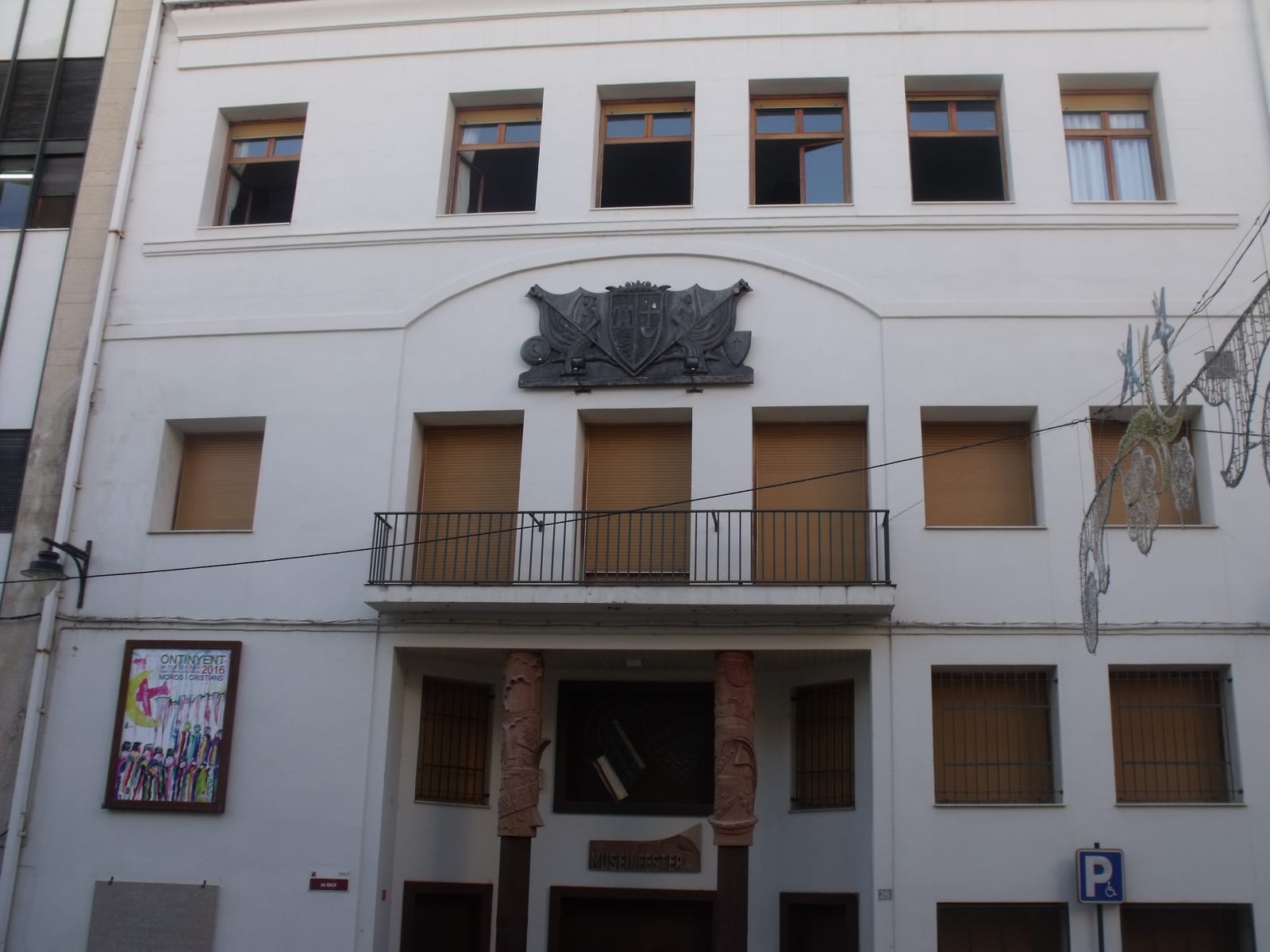
You cross it on the old town walk, on the way to Plaça de Baix and the Festival Museum. From Santa Maria bridge, upstream, you get the other classic view: the hanging houses above the river. How each period of the town has crossed the Clariano is told in The bridges of Ontinyent.
Sources: Ajuntament d'Ontinyent; catalogue of protected heritage of the Ontinyent General Plan (entry 24); Valencian Cultural Heritage Inventory. Restoration: Valencia Plaza (28 April 2023).