What to see

Palau de la Vila

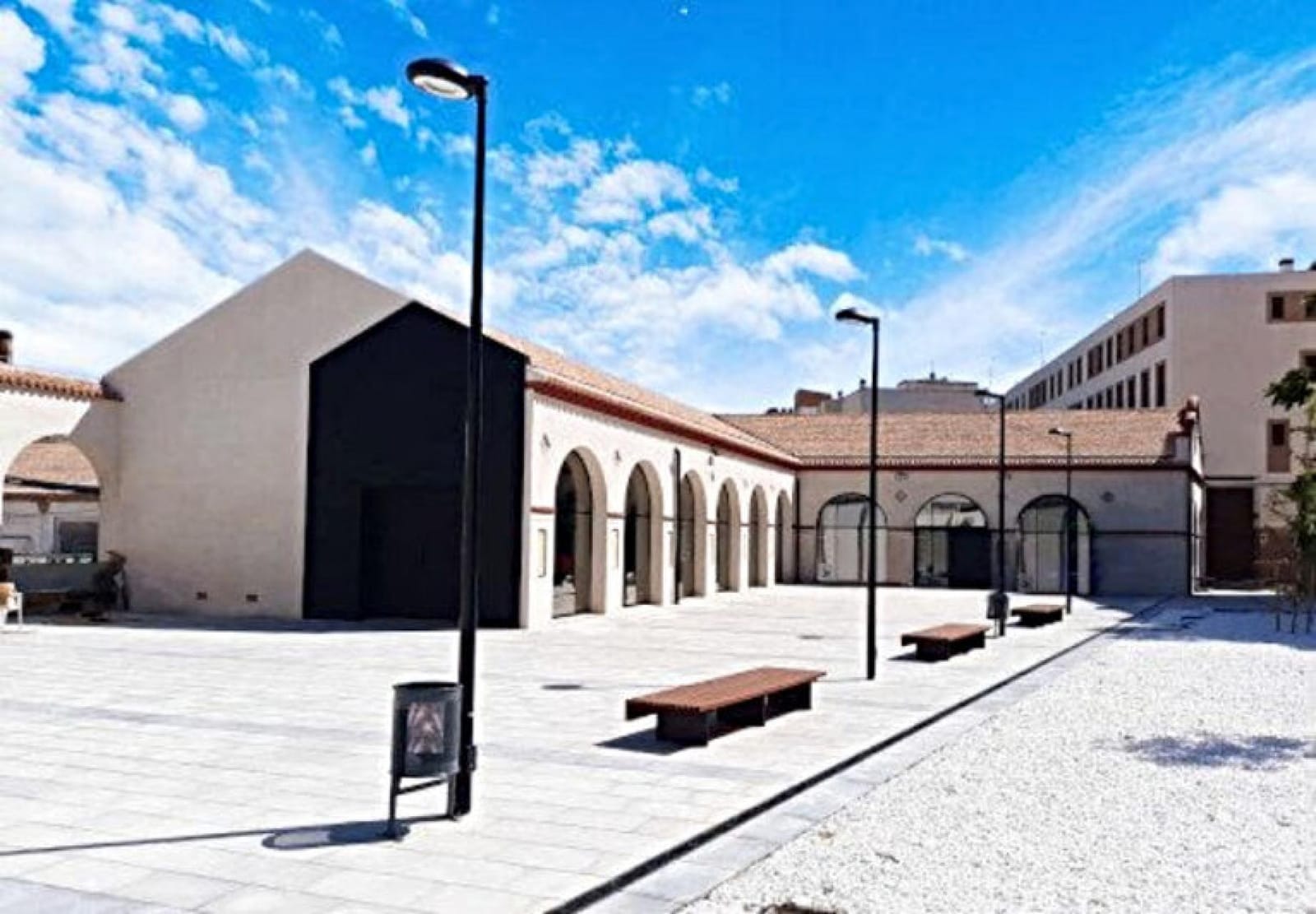
A former Moorish fortress and royal residence after James I's conquest. Today, restored, it houses the Tourist Office and the Giants and Big-heads Museum.

← Back to What to see

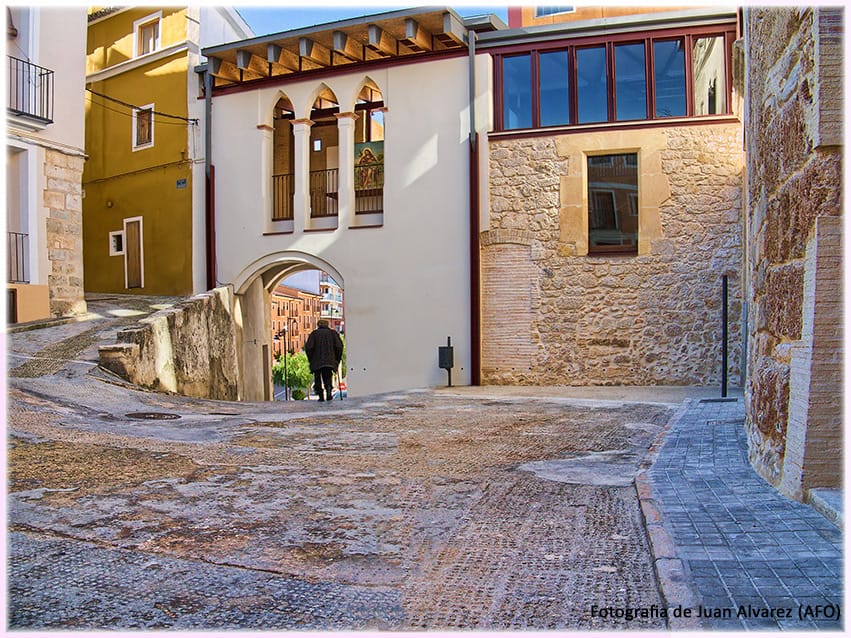
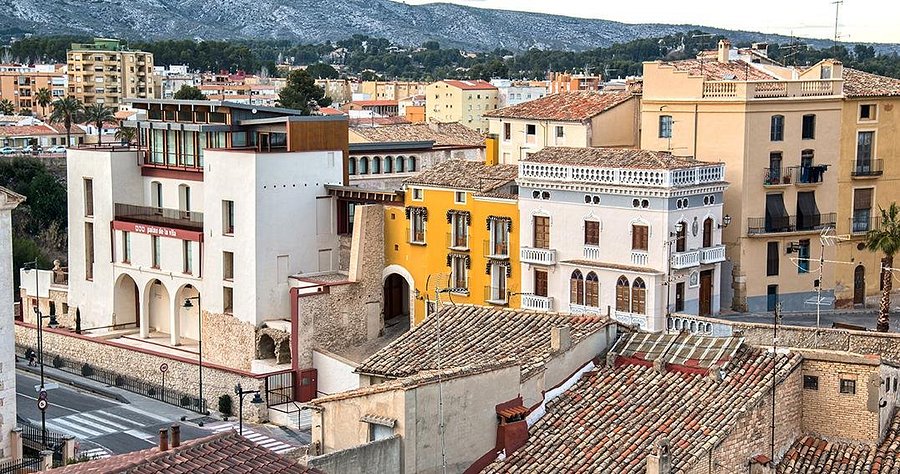
At the north-western tip of the medieval Vila, overlooking the Clariano river, stands the Palau de la Vila, probably once a Moorish fortress (alcázar). After James I took the Hisn Untinyân around 1245, it became a royal residence and later a noble palace.

History

In the early years after the conquest it served as a stronghold and as the seat of the fledgling town government. Tradition has it that James I, Peter the Great and James II all stayed here. In the early 16th century it passed to the Blasco family, and in 1666, when owned by the Count of Carlet, it welcomed the infanta Margaret of Austria, daughter of Philip IV.

After the death of its last owner, the Duchess of Almodóvar, in 1814, it fell into a long decline. It was declared a historic monument in 1974 (now a Site of Cultural Interest), bought by the town council in 1990 and fully restored between 2008 and 2011.

What to see

  • The cryptoporticus, a "buried portico" of barrel vaults and great arches that supports the building, with a sloping gallery that was once the entrance.
  • The Giants and Big-heads Museum, with the festival giants and big-heads.
  • Since 2012 it has hosted the town council's plenary meetings.

Visiting

  • Address: Plaça de Sant Roc, 2 (La Vila).
  • Home to the Tourist Office (962 91 60 90): the best starting point for the old town walk.

Source: Ontinyent Tourism.
We don't have any photos of this place yet. Do you have one?

Have photos of Ontinyent? Help make this website more complete.

📷 Share your photos →

What to see

Pou Clar🌿 Nature

Pou Clar

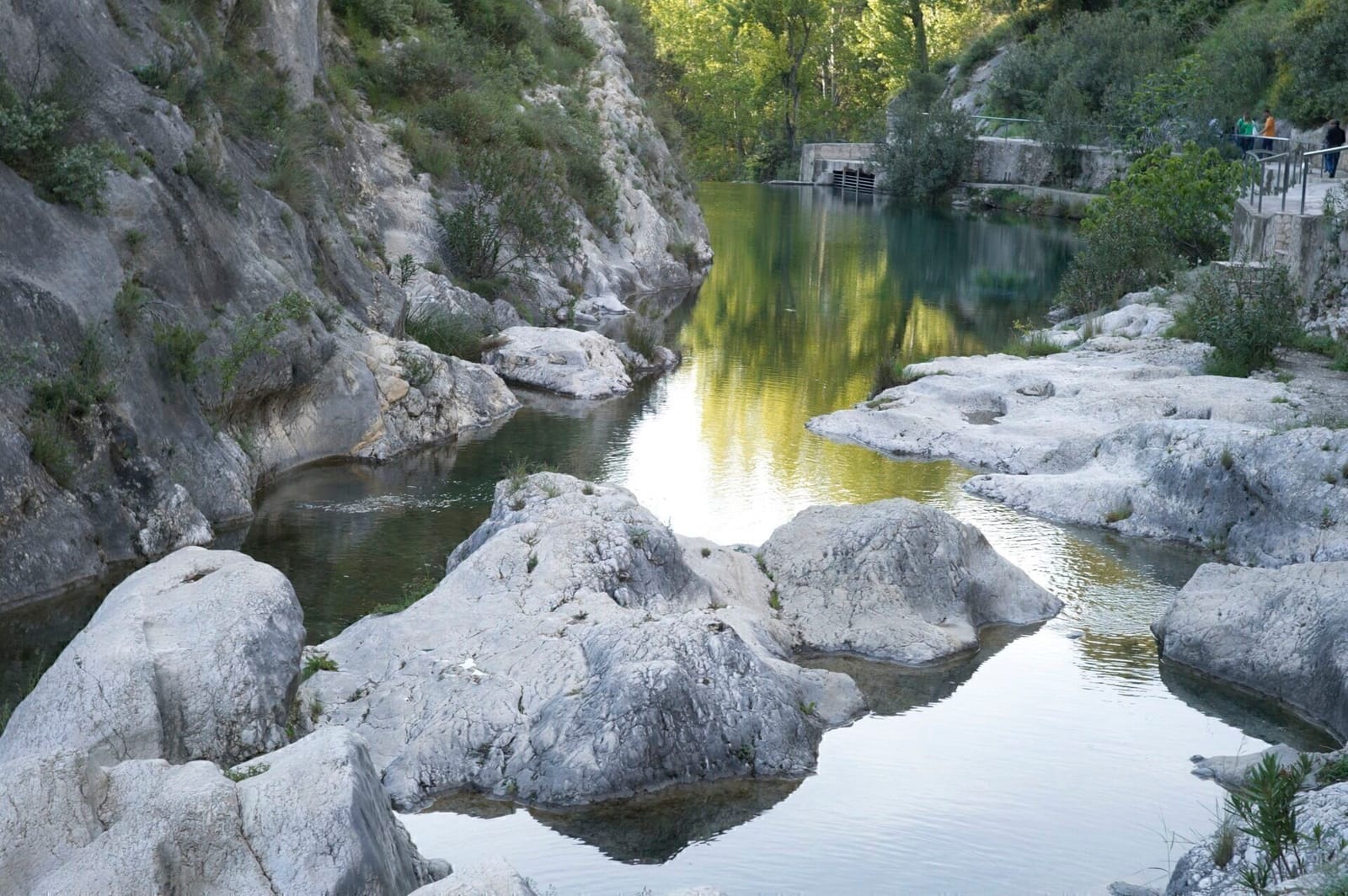
The town's most iconic natural spot, where the Clariano river is born and forms crystal-clear pools in the limestone.

Read more →
Barri de la Vila🏰 Heritage

Barri de la Vila

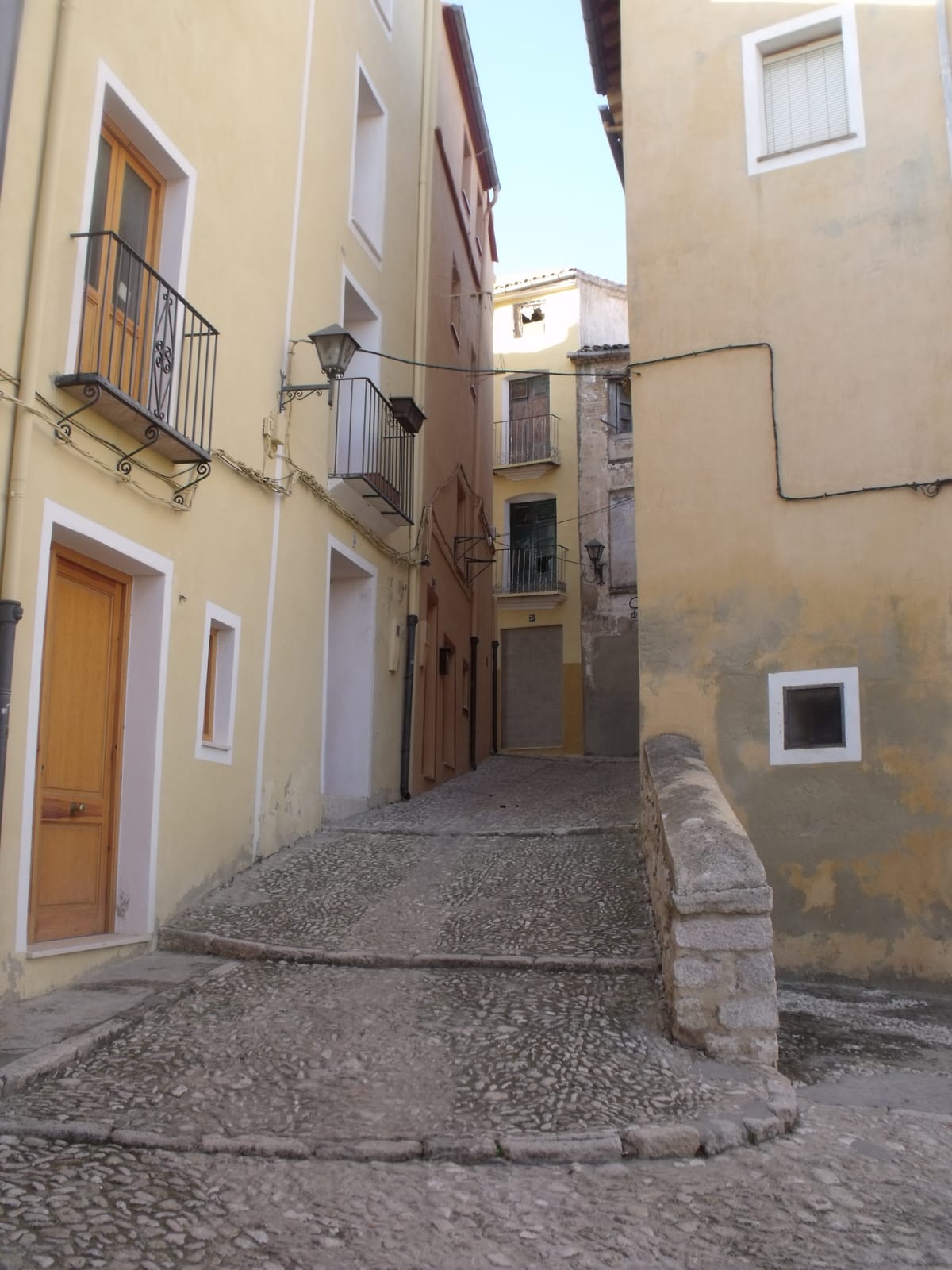
The medieval heart of Ontinyent, a protected Historic-Artistic Site, home to the tallest bell tower in the Valencian Community.

Read more →
Textile Museum🏛️ Culture

Textile Museum

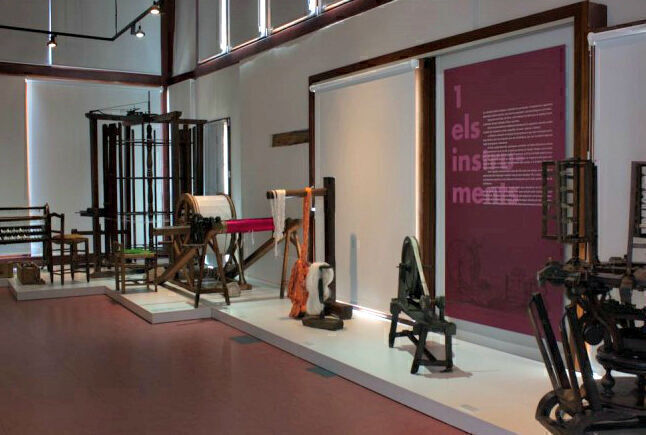
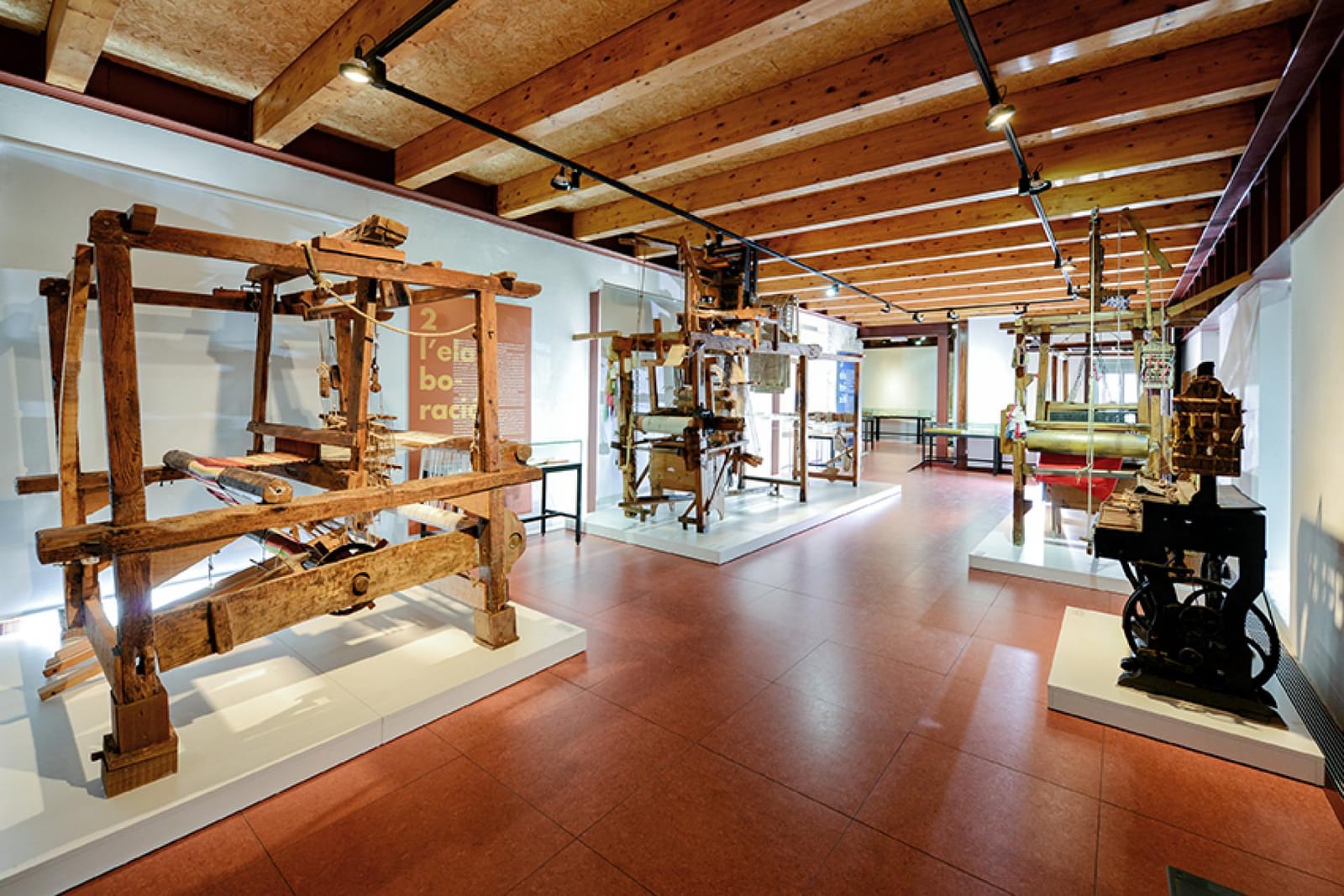
The Textile Museum of the Valencian Community: looms, tools and fabrics that explain why Ontinyent is the capital of Valencian textiles. Free entry.

Read more →
🏺 Archaeology

MAOVA

The Archaeological Museum of Ontinyent and the Vall d'Albaida: the legacy of the peoples and cultures who have lived in the district since prehistory. Free entry.

Read more →
🎭 Festival

Festival Museum

Costumes, music, models and posters: over 150 years of Ontinyent's Moors and Christians festival across three floors.

Read more →
🎎 Tradition

Giants and Big-Heads Museum

Home of Ontinyent's best-loved figures, in the Palau de la Vila: the Giants of the three cultures and the Big-Heads inspired by 1930s cinema. Free entry.

Read more →
🦋 Science

Natural Sciences Museum

A hidden gem in the Franciscan convent cloister: wildlife from around the world, pre-Columbian art, Egyptian remains and a botanical garden.

Read more →
⛰️ Viewpoint

Sant Esteve Hermitage

The best viewpoint over the Vall d'Albaida: a 17th-century hermitage with a picnic area, sunsets and, on clear days, views all the way to the sea.

Read more →
🌲 Nature

Fuset and Font de Gamellons

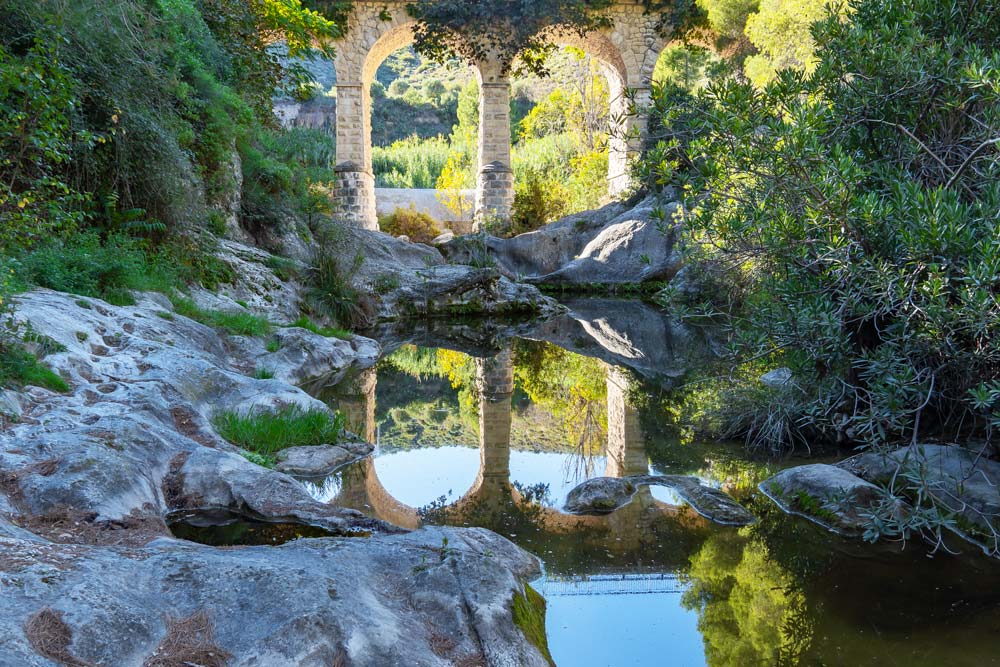
Two spots in the Serra de l'Ombria for a day out: picnic areas, springs, an 18th-century aqueduct and potholes, with waymarked trails.

Read more →
Santa Maria church and bell tower⛪ Church

Santa Maria church and bell tower

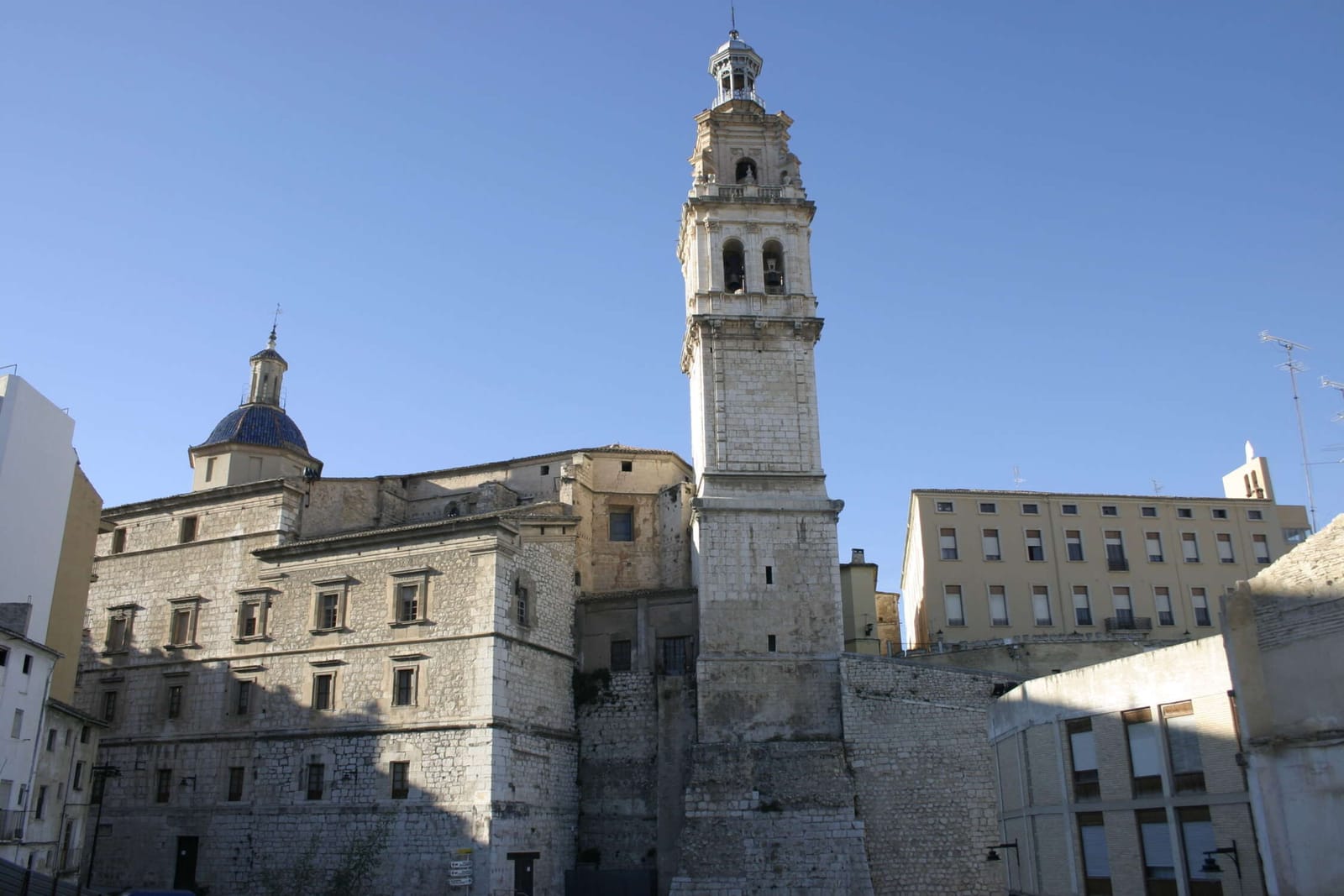
The main church of the Vila, with vaults inspired by Valencia's Silk Exchange, a Renaissance doorway and the tallest bell tower in the Valencia region.

Read more →
🏰 Heritage

Plaça Major

The heart of Ontinyent's public life since the 16th century: the old town hall, the Llotgeta del Mostassaf and the Counts of Torrefiel palace.

Read more →
🏰 Heritage

Pont Vell (Old Bridge)

The stone bridge of 1500, for centuries the only way into the Vila, with views of the hanging houses above the Clariano river.

Read more →
🏰 Heritage

Carrer Major and its palaces

Gomis and Maians streets joined together, the old road to Albaida and Gandia, with the churches of Sant Carles and Sant Francesc and the noble palaces that earned Ontinyent its stately reputation.

Read more →
⛪ Church

Sant Carles Borromeo church

Founded as a Jesuit oratory in 1703, a Baroque church with a Neo-Byzantine Communion chapel decorated by local artist Carlets.

Read more →
⛪ Church

Sant Miquel del Raval church

Built between the 16th and 18th centuries on a 14th-century chapel, funded by the cloth-makers' guild, with a painted nave and a large 18th-century organ.

Read more →
⛪ Church

Sant Francesc church

All that remains of the Franciscan friary founded in 1573: an austere single-nave church, rebuilt in the 19th century with the help of local people.

Read more →
⛪ Church

Carmelite convent

A 16th- to 18th-century monumental complex next to Santa Maria bridge, on the old road to Castile.

Read more →