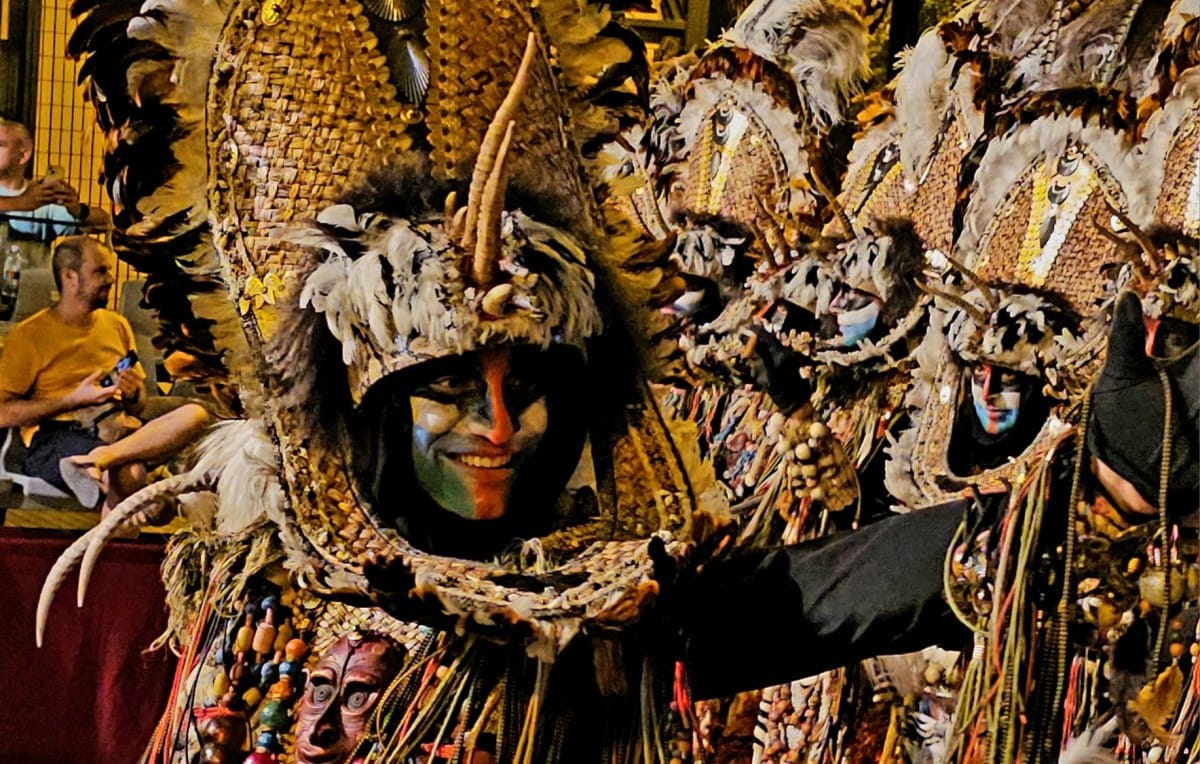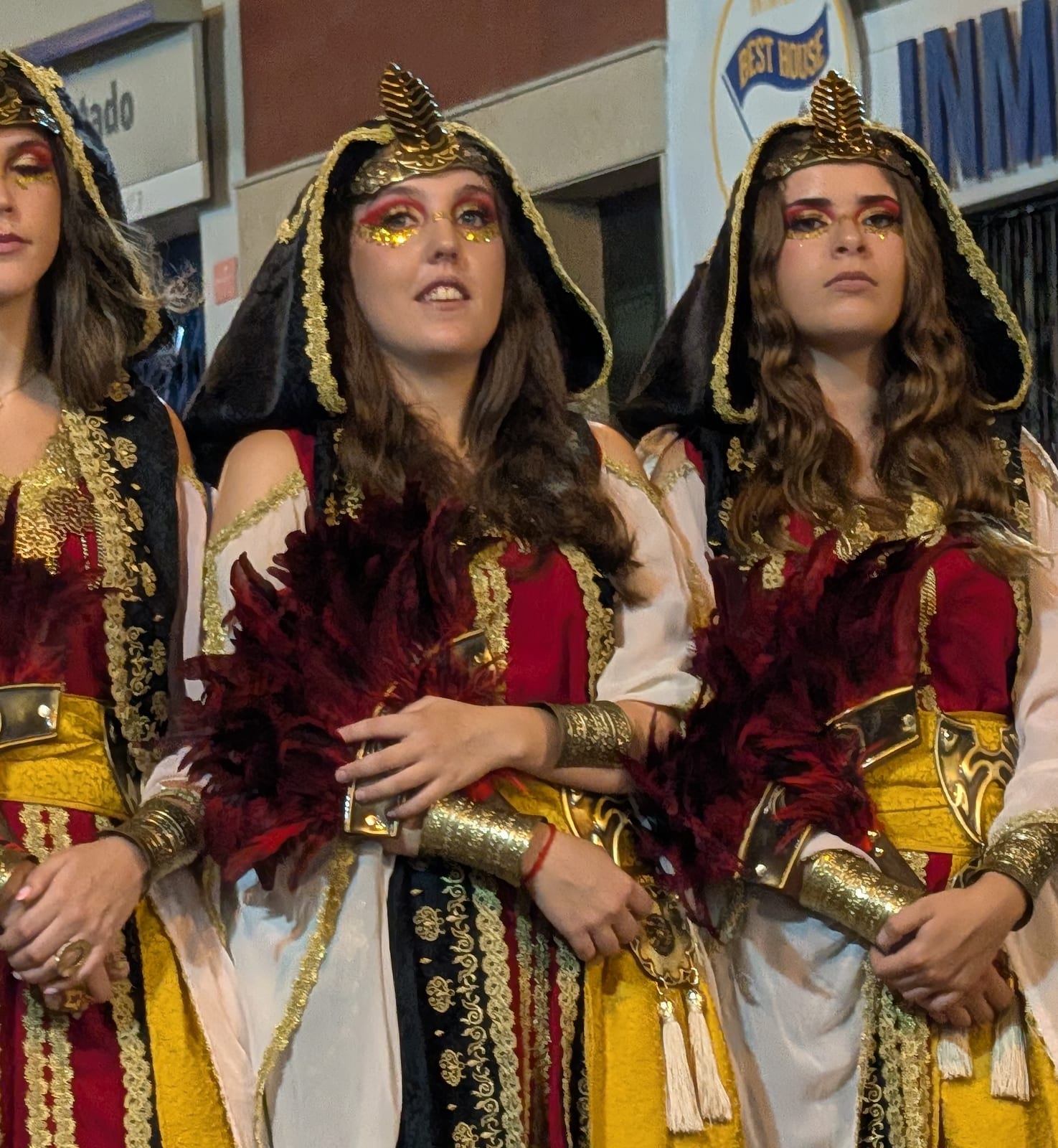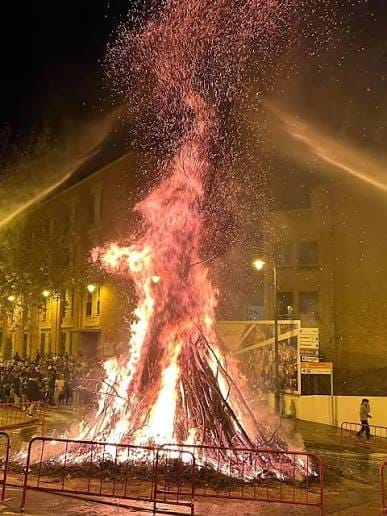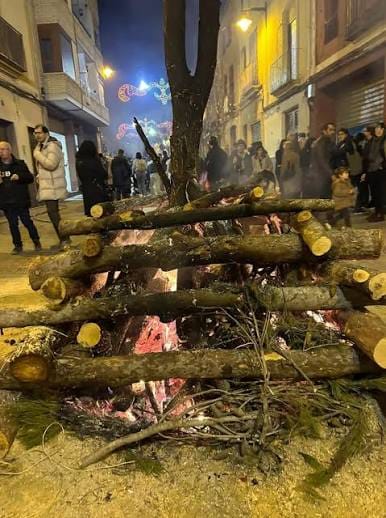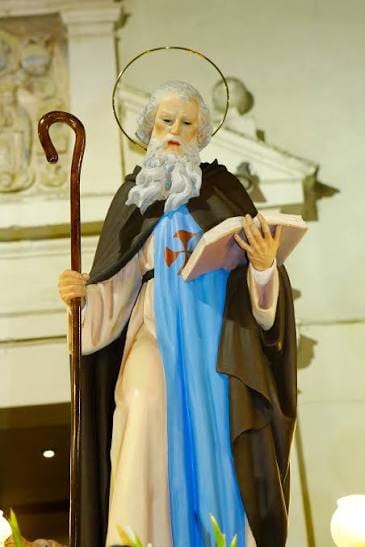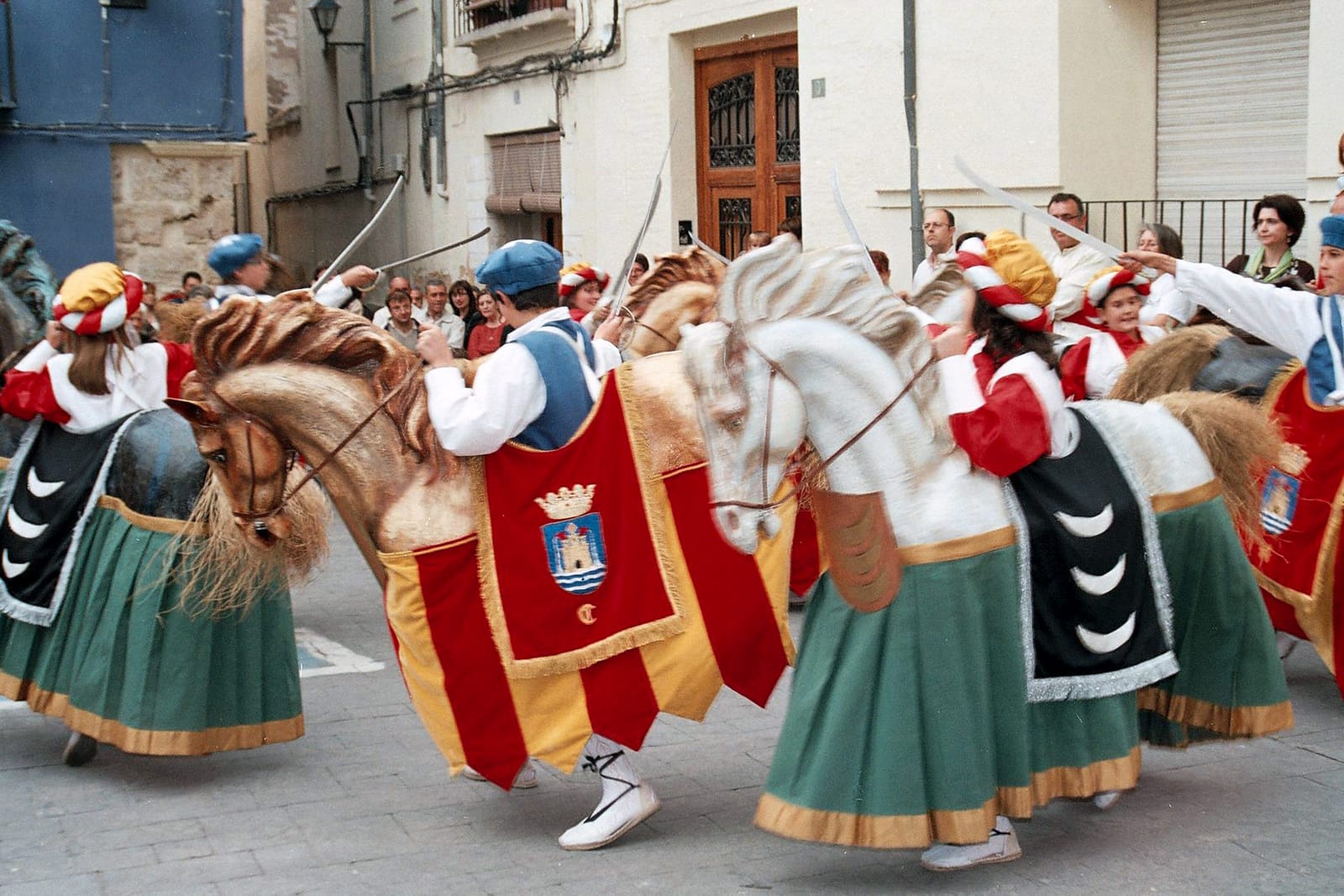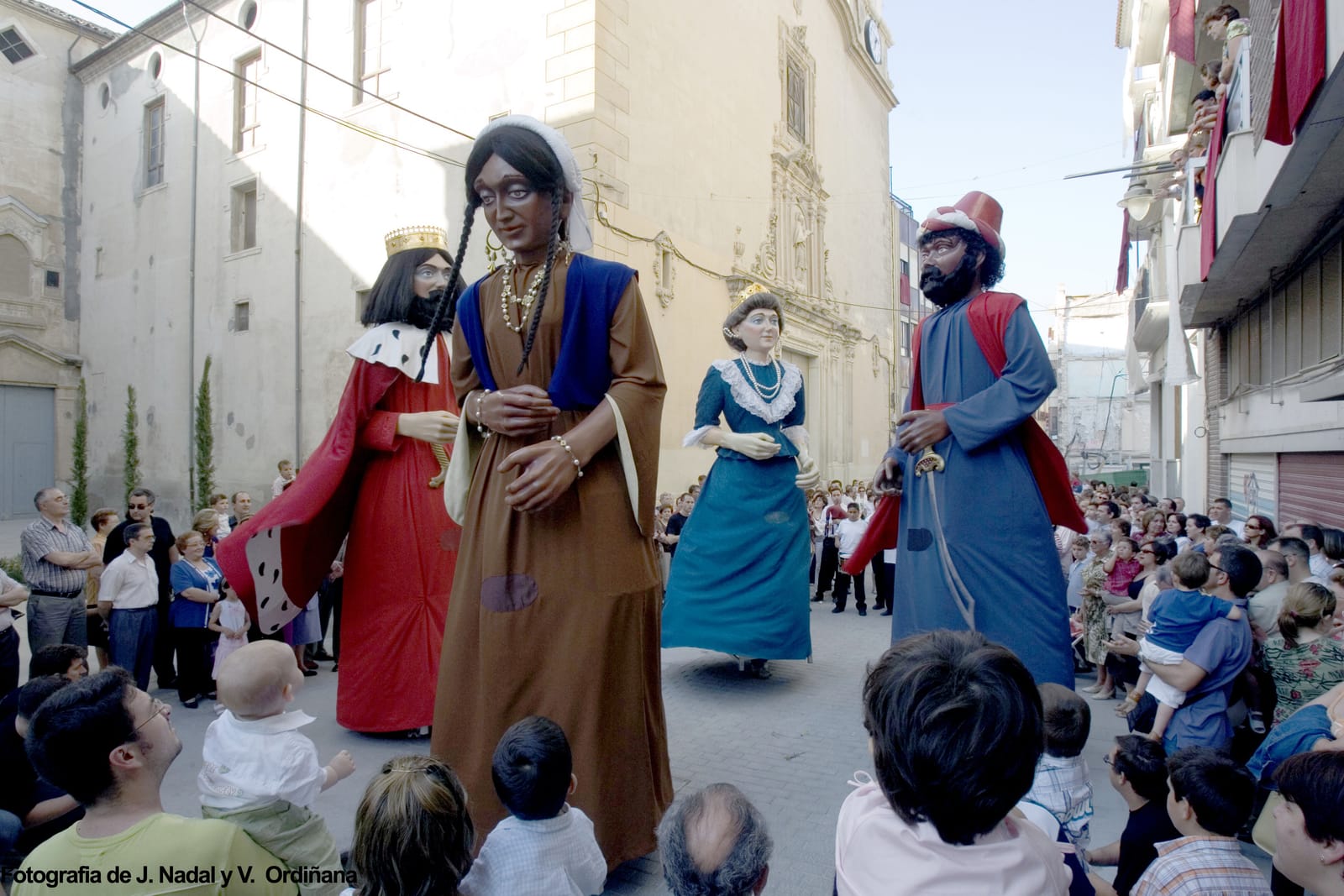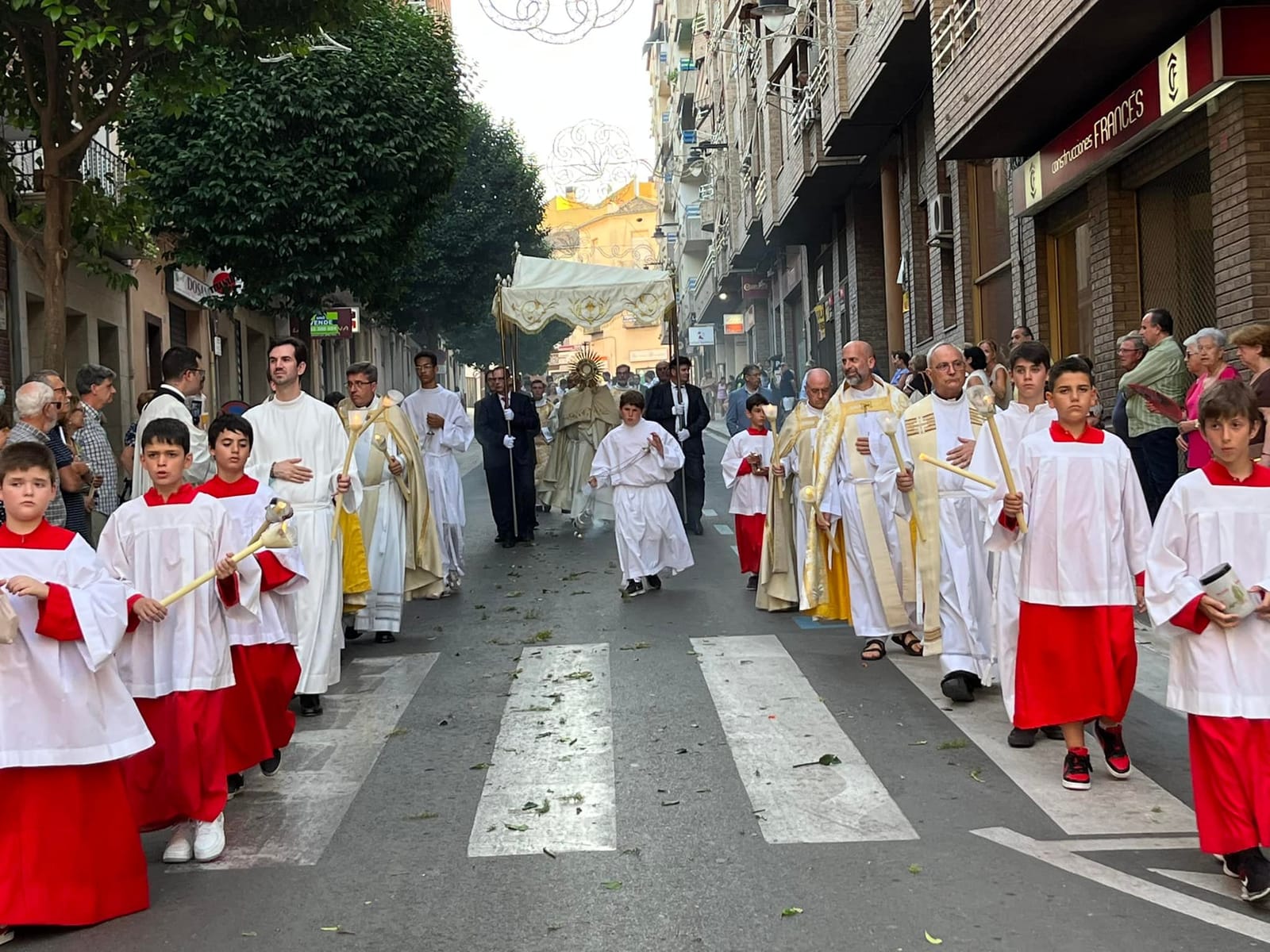
The Moors and Christians festival is Ontinyent's biggest celebration. It is held at the end of August in honour of the Santíssim Crist de l'Agonia (Holy Christ of Agony), organised by the Societat de Festers del Santíssim Crist de l'Agonia; the modern festival dates back to 1860.
Moors and Christians 2027
The Societat de Festers has not yet published the official dates for 2027.
- Christian side:
- Captain: Vanessa Tomás Martínez (Gusmans)
- Ambassador: Francisco Reig Aleixandre (Asturs)
- Standard-bearer: Jorge Gil Pastor (Asturs)
- Moorish side:
- Captain: Juan Ibañez Garcia (Chanos)
- Ambassador: Carla Ballester Bordera (Saudites d'Ontinyent)
- Standard-bearer: Javier Ballester Bordera (Saudites d'Ontinyent)
Comparsas holding office: Gusmans (Christian Captaincy), Asturs (Christian Embassy), Chanos (Moorish Captaincy) and Saudites d'Ontinyent (Moorish Embassy). The Societat de Festers also publishes the Primers Tro of all 24 comparsas.
Source: festival offices (Societat de Festers del Santíssim Crist de l'Agonia, in Valencian).
A festival of International Tourist Interest
- National Tourist Interest since 2010 (BOE, 22 June 2010).
- International Tourist Interest since 2024, by resolution of Spain's Secretary of State for Tourism of 17 September 2024 (BOE, 25 September 2024). According to the Ministry, it was the 82nd festival in Spain and the 15th in the Valencian Community to receive the title.
- Two of its events, the Baixada del Crist and the Embassies, have been listed as Intangible Cultural Heritage (Bé d'Interés Cultural Immaterial) since 2019 (Decree 4/2019 of the Valencian Government, BOE, 28 February 2019).
History
Devotion to the Christ goes back a long way: the Societat de Festers carries on the traditions of the patronage of the Holy Christ of Agony of 1632. The decree that lists the Baixada and the Embassies as cultural heritage explains their background: in 1652 the town militias were already firing salvos at the Puríssima festivities, and devotion to the Christ grew when the image was brought down in 1809 and during the cholera epidemic of 1854.
In 1860 the llumeners (keepers of the Christ's lamps), together with members of the El Porvenir club and the town council, created today's Moors and Christians festival, and the Baixada del Crist revived the old tradition of militia salvos, now dedicated to the Christ. That year the Embassies written for Ontinyent by Joaquín José Cervino were declaimed for the first time: 528 lines of verse that are still recited today.
The festival has kept evolving: since 1980 the ambassadors have been appointed by the comparsa marching in seventh place; the present castle in Plaça Major was first used in 1985; and since 1989 women have taken part as full members.
The 24 comparsas
The festival is made up of 24 comparsas (or filaes), twelve on each side, grouped in the Societat de Festers. Some of today's comparsas go back to 1860; the rest joined later, making up the 24 of today.
- Christian side: Gusmans, Arquers, Cruzados, Contrabandistas, Fontanos, Almogàvers, Asturs, Llauradors, Cides, Marineros, Bucaneros and Estudiants.
- Moorish side: Chanos, Omeyas, Benimerins, Abencerrajes, Kábilas, Moros Espanyols, Saudites d'Ontinyent, Mudéjares, Mossàrabs, Taifas, Moros Berberiscos and Moros Marinos.
Each comparsa has its own costume, its official band and its place in the parades, which changes every year.
The festival offices
The offices rotate among the comparsas: the one leading each side holds the Captaincy, and the seventh holds the Embassy and the Flag. The next year, the first moves to last place. So each year four comparsas, two on each side, take on the offices, and they prepare their part in the festival years in advance.
- Captain (Capità or Capitana): leads their side during the festival.
- Ambassador (Ambaixador or Ambaixadora): declaims the Embassies before the castle and, at the Baixada, their side's speech.
- Standard-bearer (Banderer or Banderera): carries the side's flag and accompanies the ambassador.
- Primer Tro: each comparsa has one, officially presented alongside the captains, ambassadors and standard-bearers.
The office holders are officially presented before the Big Week, and at the Publicació de Festes the outgoing ones hand their successors "weapon, text and flag".
The festival year
The festival is not just one week:
- Mig Any Fester (halfway mark): as its name says, it marks six months to go until the festival. It is a major festival get-together, with concerts of festival music and the Mig Any parade, in which all 24 comparsas take to the streets.
- Publicació de Festes, on the last Saturday of June: a parade and the handover of offices.
- Esmorzar de la Llàgrima, on the Sunday before the Big Week: a remembrance of the festival members who died during the year. That night, the presentation of the office holders and the opening speech in Plaça Major.
- Pujada del Crist, a few weeks after the festival: the image returns to the Santa Anna hermitage and the festival officially closes.
The Big Week
The festival is held at the end of August, from Thursday to Monday, usually over the weekend around the fourth Sunday of August. Each year's dates are announced by the Societat de Festers. The main events, in order:
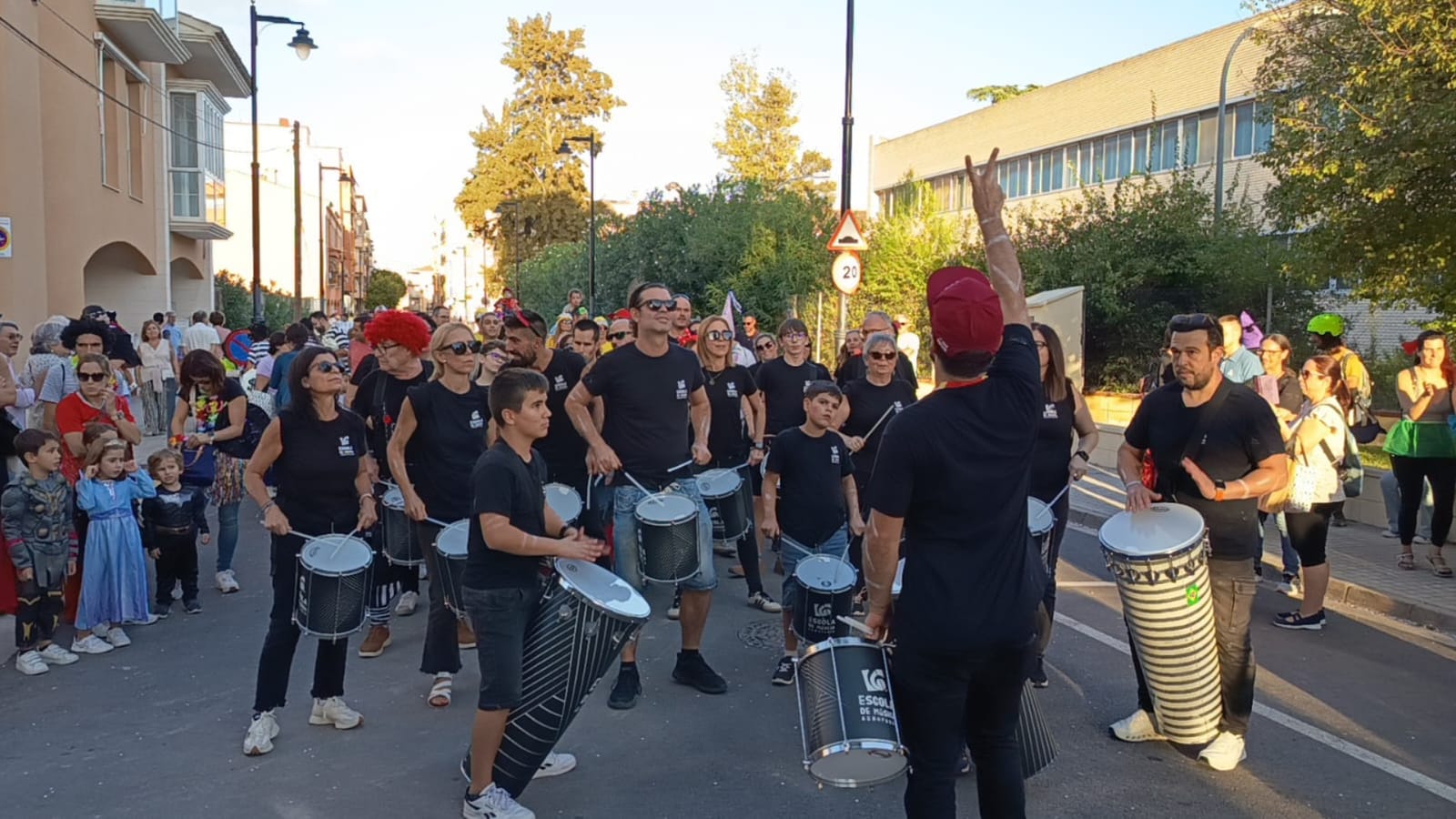
- Band Parade (Thursday): the official bands of the 24 comparsas parade along Carrer Gomis and Carrer Maians and finish by playing together the Moorish march Chimo, the festival's anthem. At night, the Alardos, a fancy-dress parade that grew out of the comparsas' dinners.
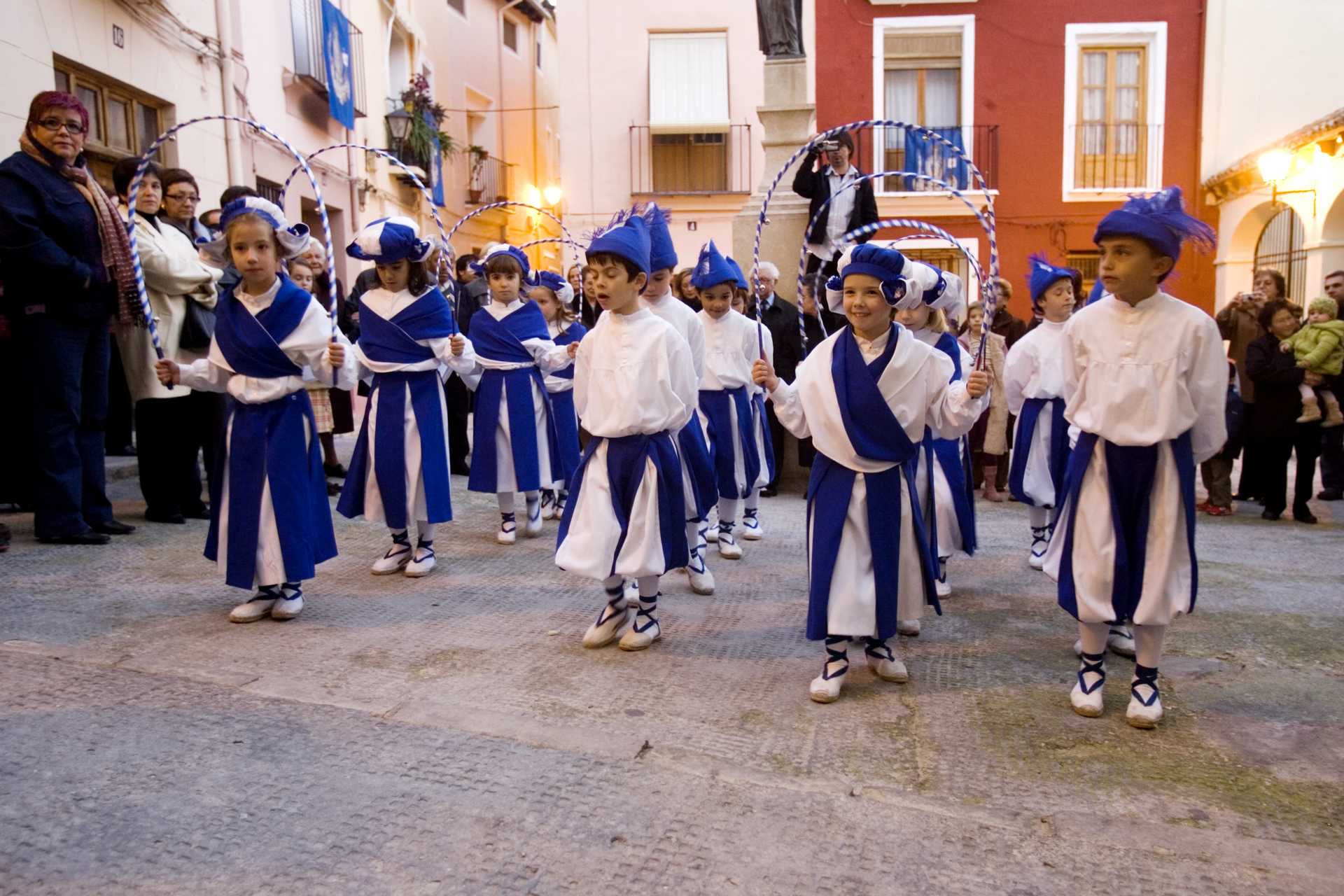
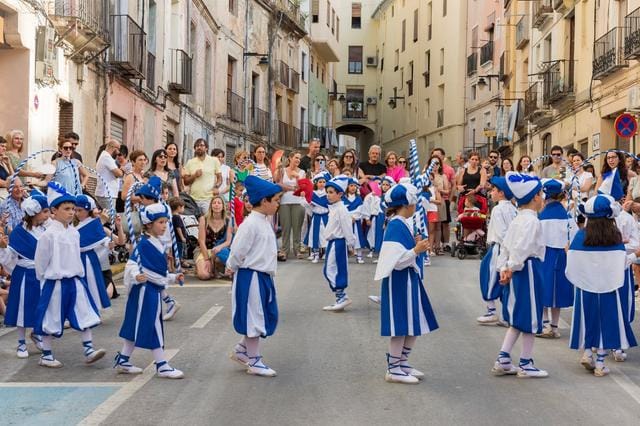
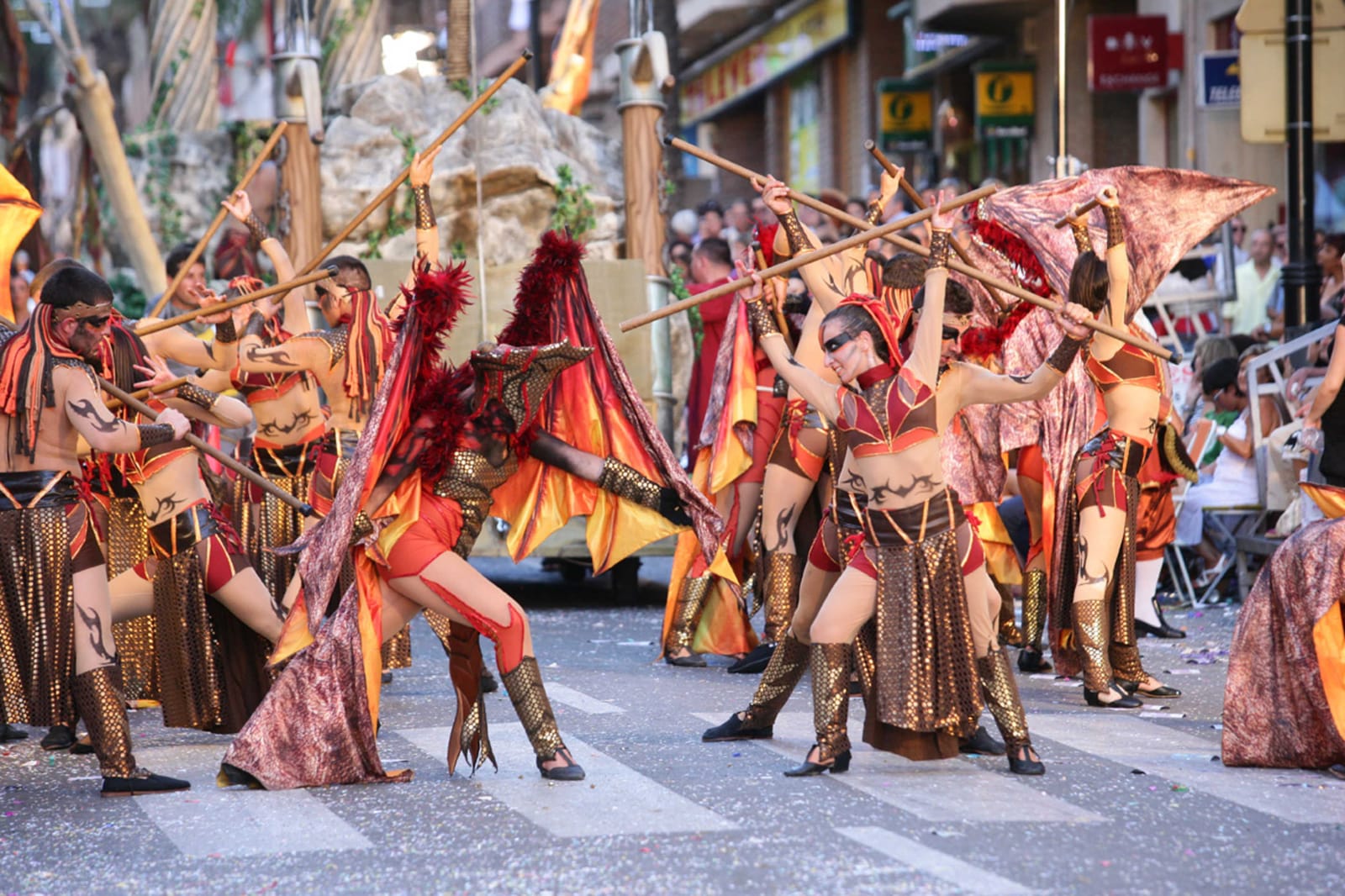
- Christian and Moorish Entrades (Friday): the Christian side enters in the afternoon and the Moorish side at night. It is the most crowded event. The comparsas parade in their gala costume, and each has one or more escuadres (squads) in a one-off costume made for the occasion. Each Entrada is led by the comparsa holding the Captaincy and closed by the one holding the Embassy: the four comparsas holding office present their boatos, with music, choreography, floats and costumes prepared over several years. In the morning, the children's parade.
- Diana (Saturday morning): the comparsas parade in their second, everyday costume.
- Contrabando (Saturday midday): the Contrabandistas take on the Marineros along Carrer Gomis and Carrer Maians up to Plaça Major.
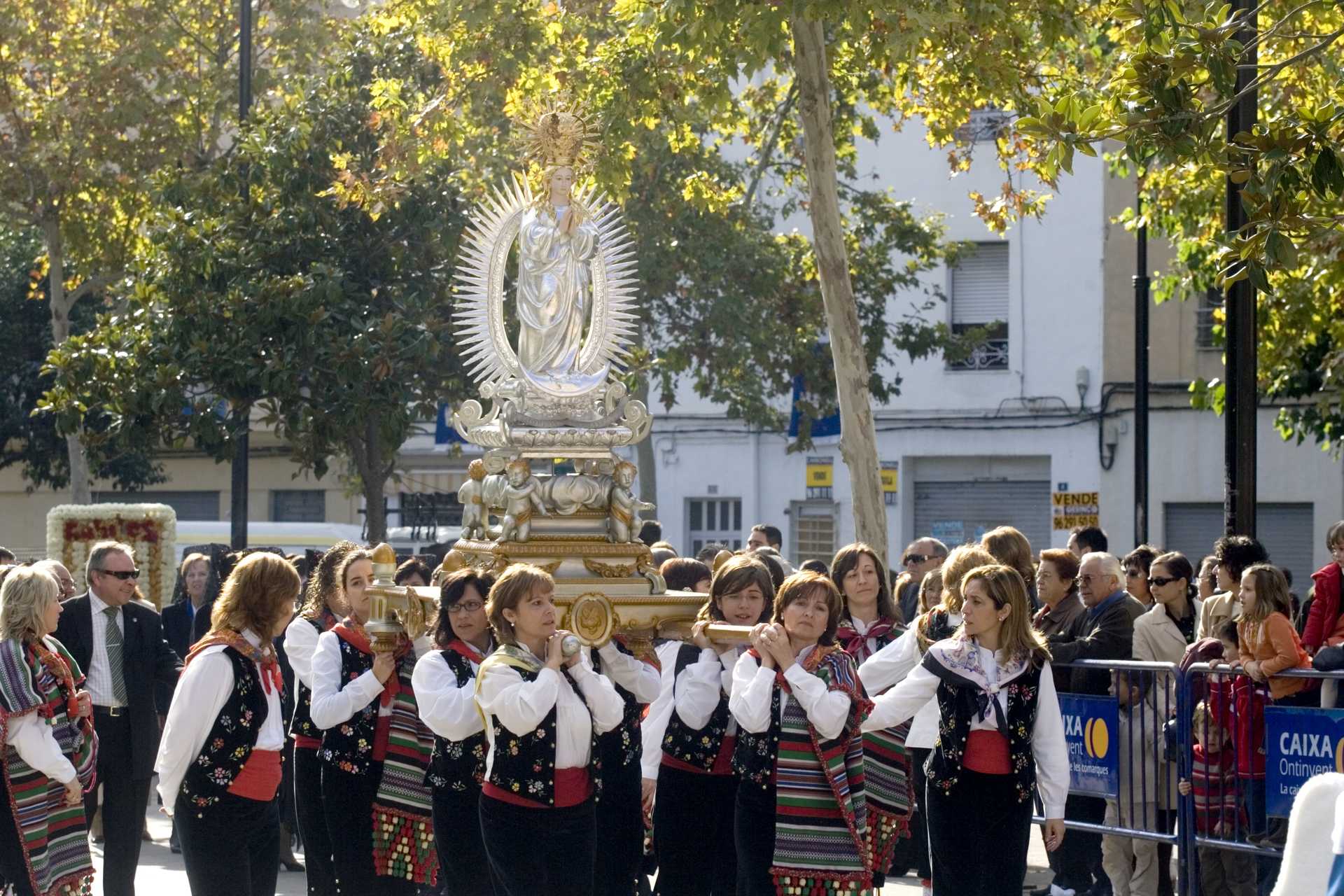
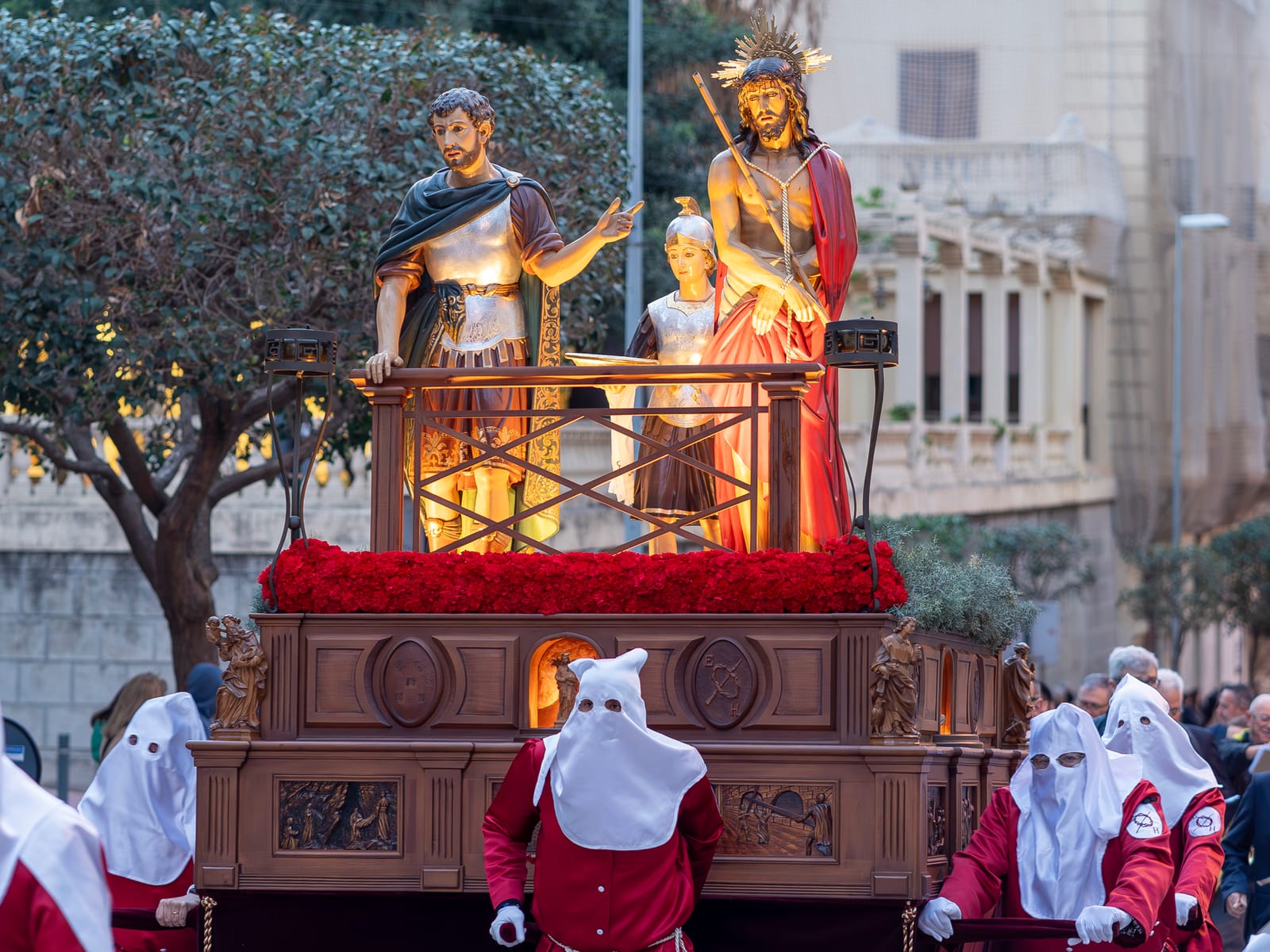
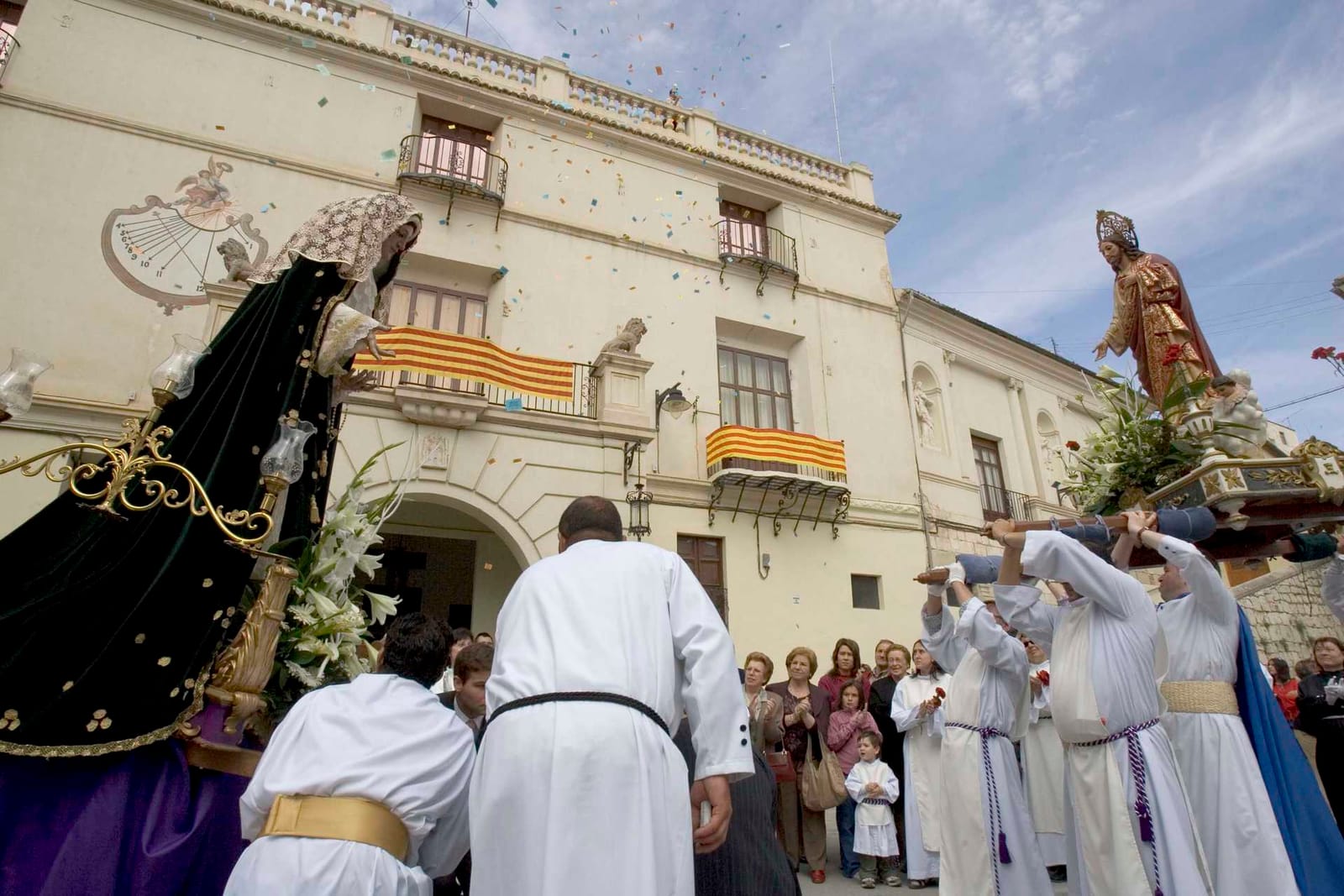
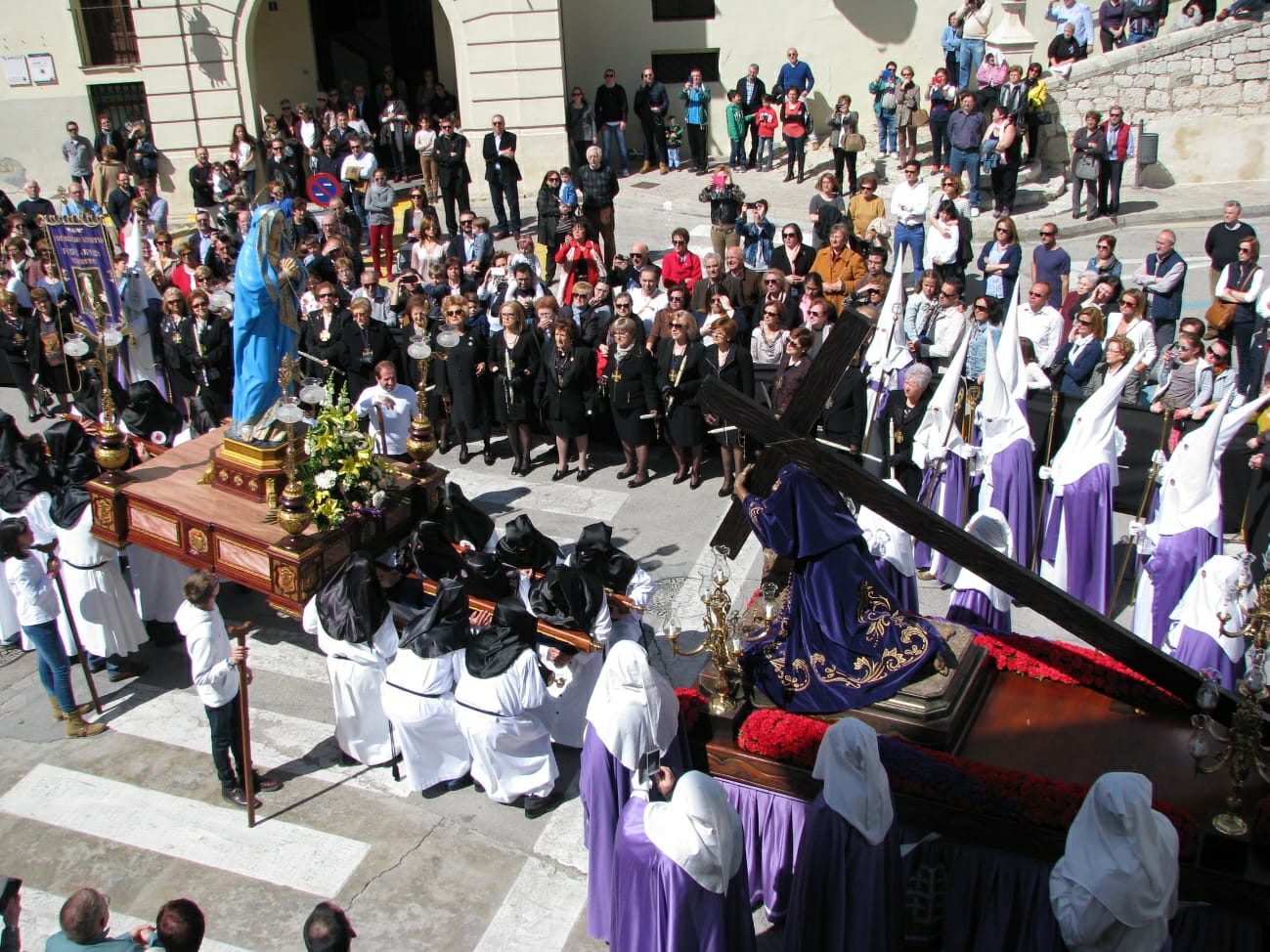
- Baixada del Crist (Saturday afternoon): after the arquebus battle and the speeches by the Santa Anna hermitage, the image is carried down in procession along the Santa Anna path, the Cantereria, the Pont Vell, Plaça de Baix, Plaça Major and Carrer Maians to Sant Carles. It has followed the same route since 1860.
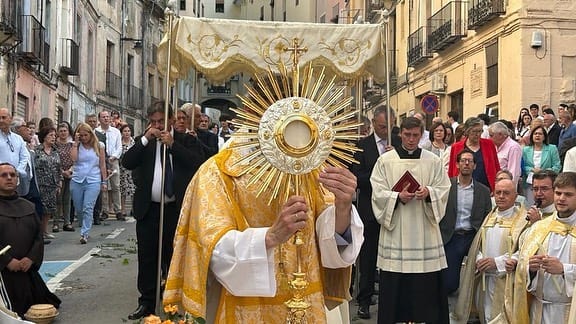
- Diana de Gala, High Mass and Procession (Sunday): High Mass at Sant Carles, with the Mass composed by Rafael Martínez Valls in 1917, and the solemn procession in the afternoon.
- Embassies (Monday): before the wooden castle in Plaça Major, the Moorish Embassy in the morning and the Christian one in the afternoon, with Cervino's verses and arquebus fire. The final parade closes the Big Week.
The music
Music accompanies every event: each comparsa parades with its official band. The festival anthem is the Moorish march Chimo, by José María Ferrero, which all the bands play together at the end of the Band Parade.
If you come to see the festival
- Entrades: along Avinguda de l'Almaig and Avinguda Daniel Gil, past the Moros i Cristians roundabout, ending in Plaça de la Concepció.
- Band Parade and Contrabando: along Carrer Major (Gomis and Maians) to Plaça Major, where the Embassies castle stands.
- Baixada del Crist: crosses the Pont Vell on its way to Sant Carles Borromeo.
- Seats and stands: the Societat de Festers sells seats and stand tickets along the route of the Entrada.
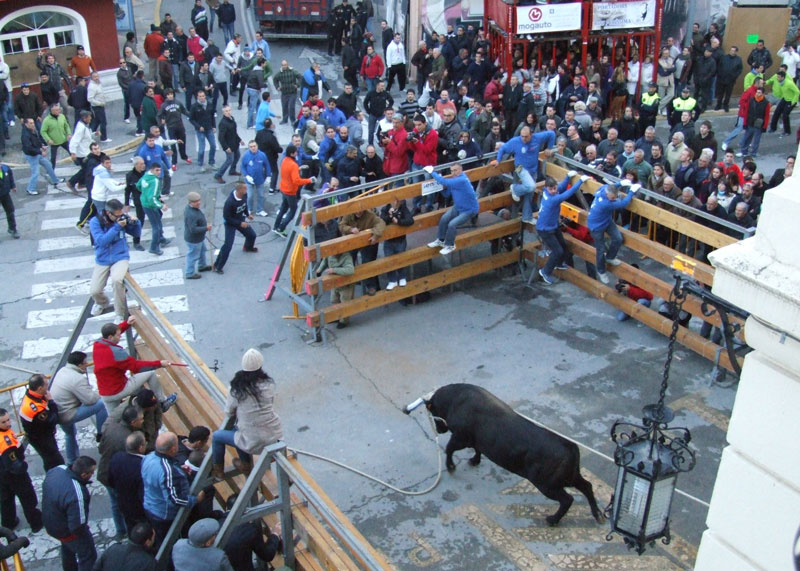
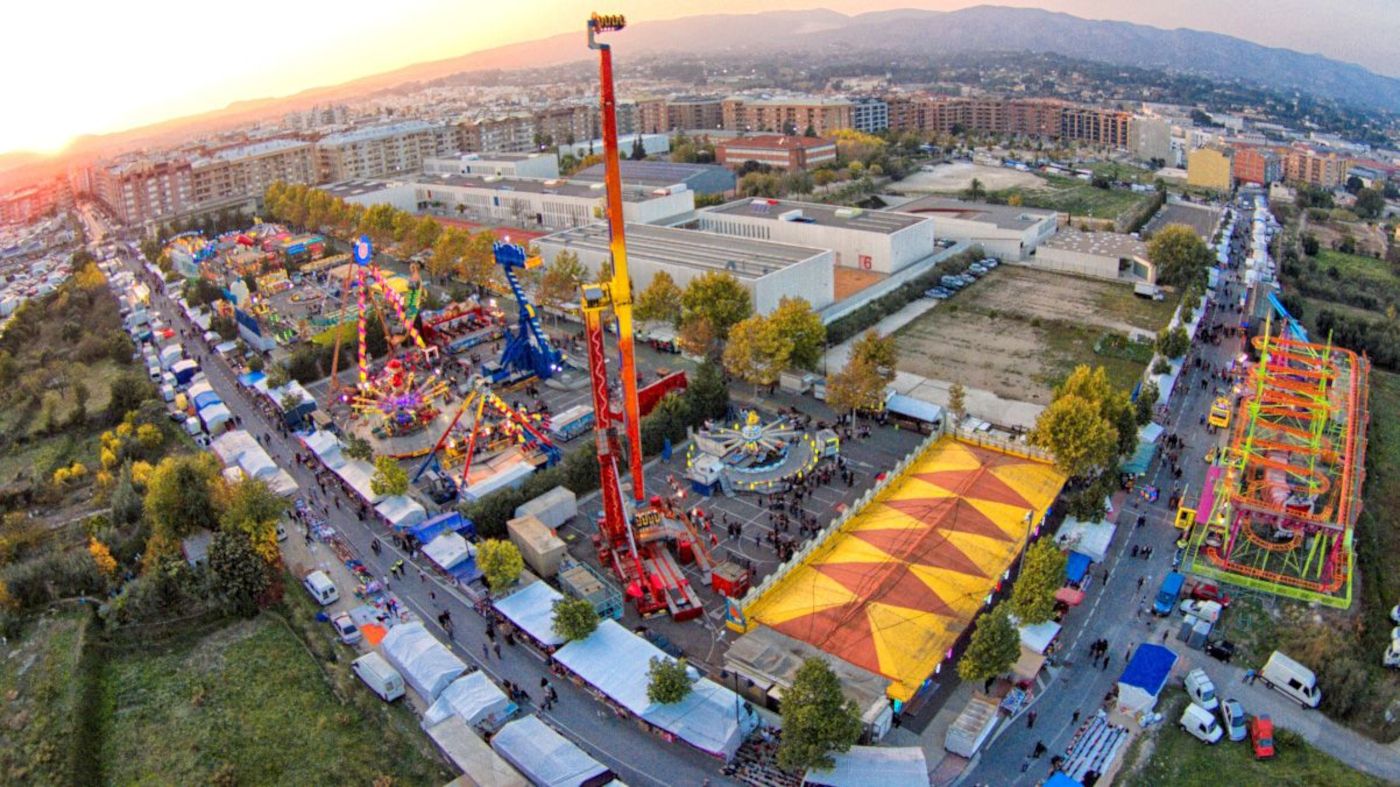
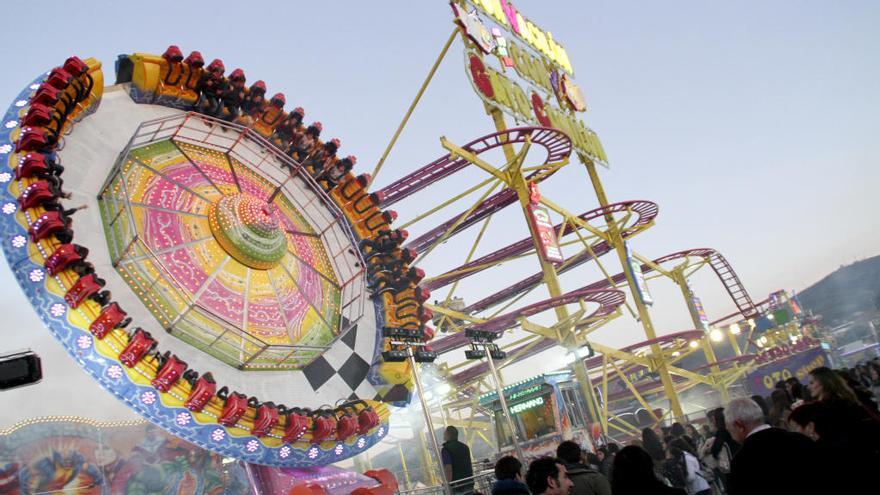
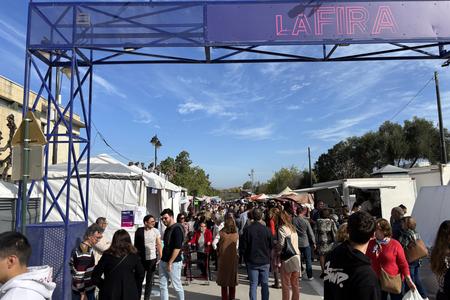
- La Gran: during the Big Week, the town council runs La Gran, a complementary programme of concerts, activities for all ages and food, separate from the official events of the Societat de Festers.
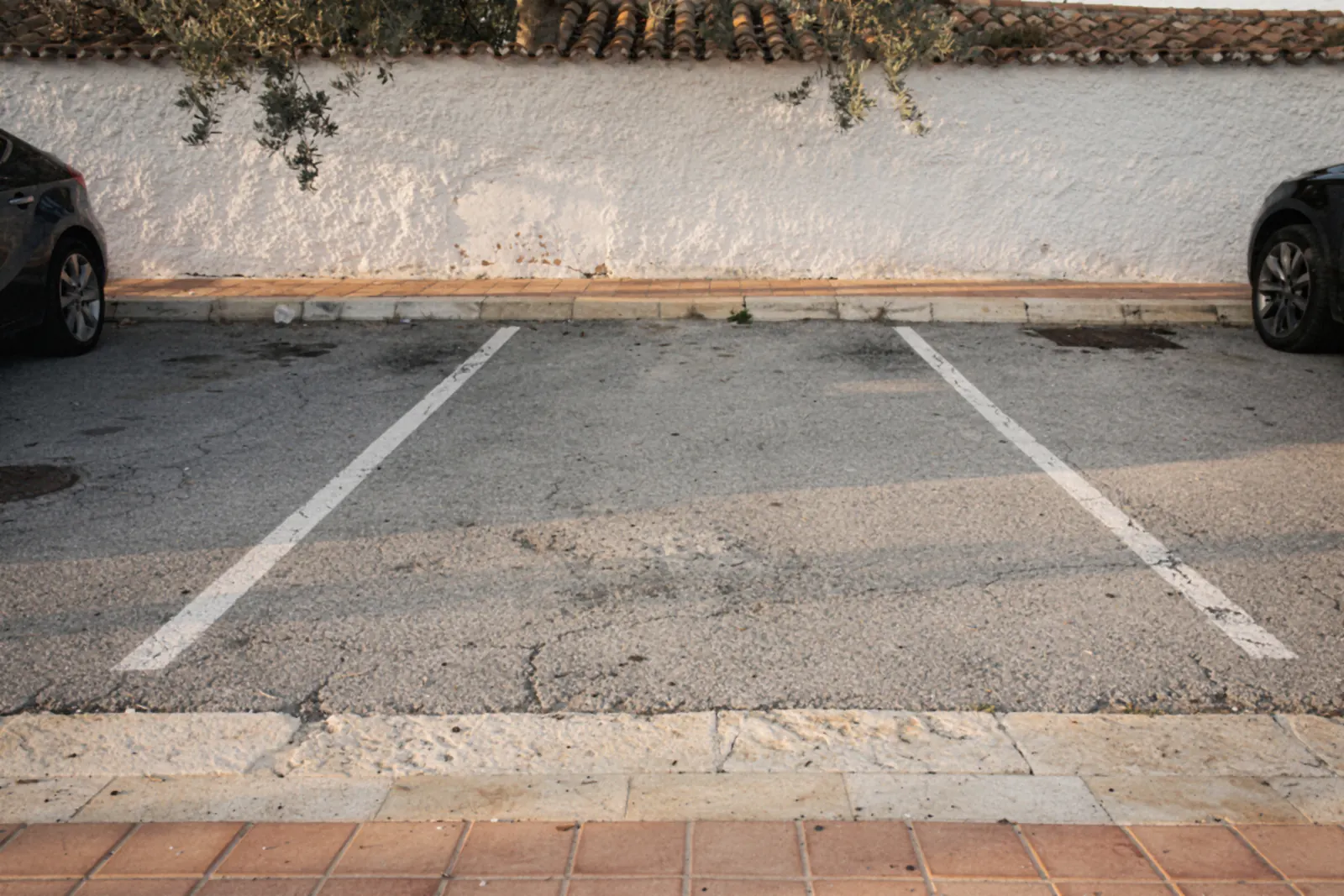
- By car: many streets in the centre are closed on those days; see parking in Ontinyent.
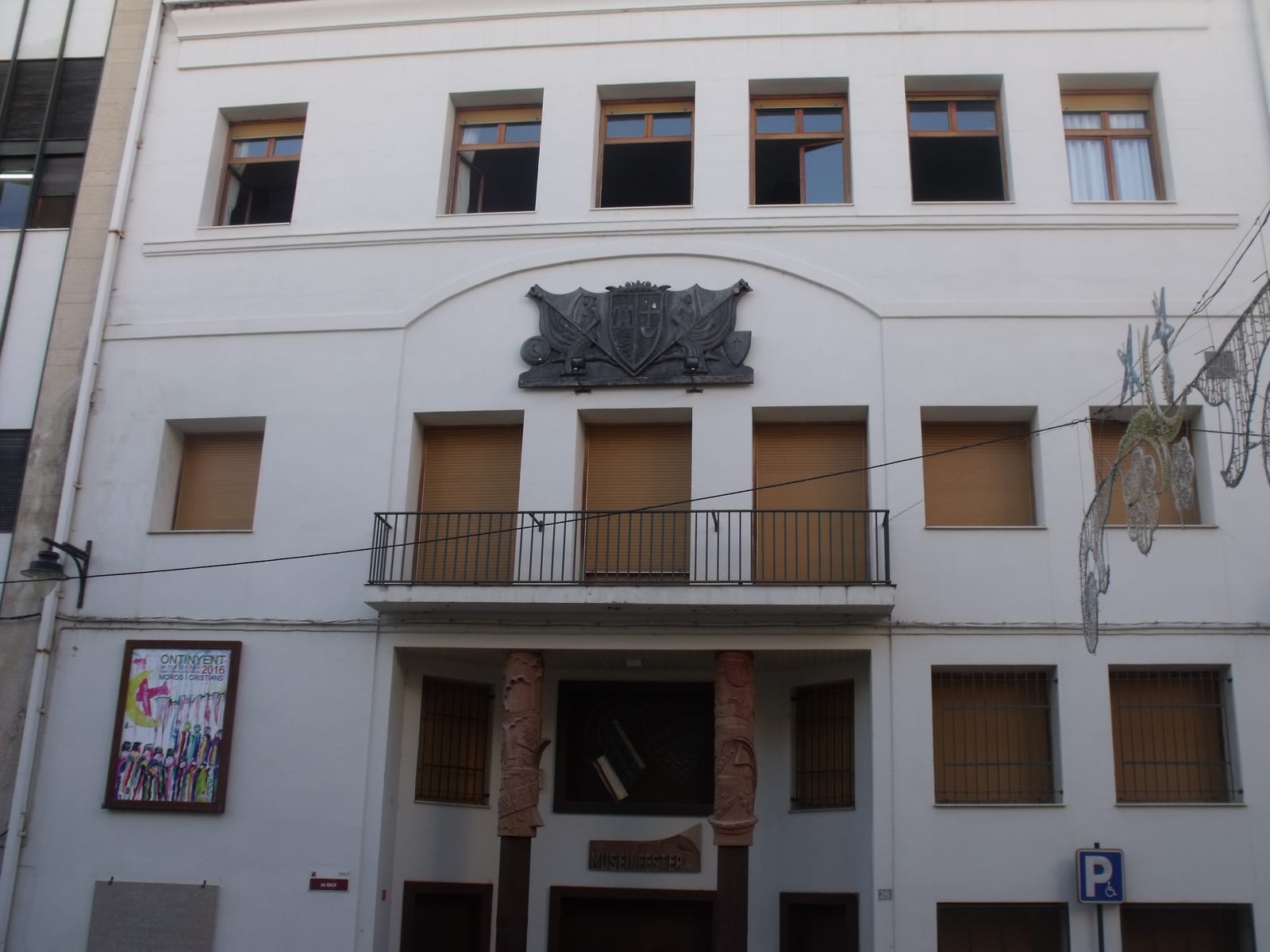
- All year round: the Festival Museum, at the Societat de Festers headquarters (Plaça de Baix), holds costumes, posters and the festival's history.
- This year's festival: dates, offices and tips in our Moors and Christians 2027 guide, and the official programme on the Societat de Festers website.
Sources: Societat de Festers del Santíssim Crist de l'Agonia, BOE (2010, 2019 and 2024), Spanish Ministry of Industry and Tourism, Turisme Ontinyent and Biblioteca de Catalunya (Rafael Martínez Valls collection).